
Water
Conservation
At Prosdoma, we promote water conservation through sustainable management practices,
clean water access, and community awareness to protect vital water resources.
At PROSDOMA, water conservation is strengthened through our work in land restoration, community tree planting, wetland support, and sustainable agriculture. Although we may not directly drill wells or build water systems, our environmental activities play a major role in protecting the natural sources of water that rural communities depend on.
Tree Nurseries and Seedling Distribution
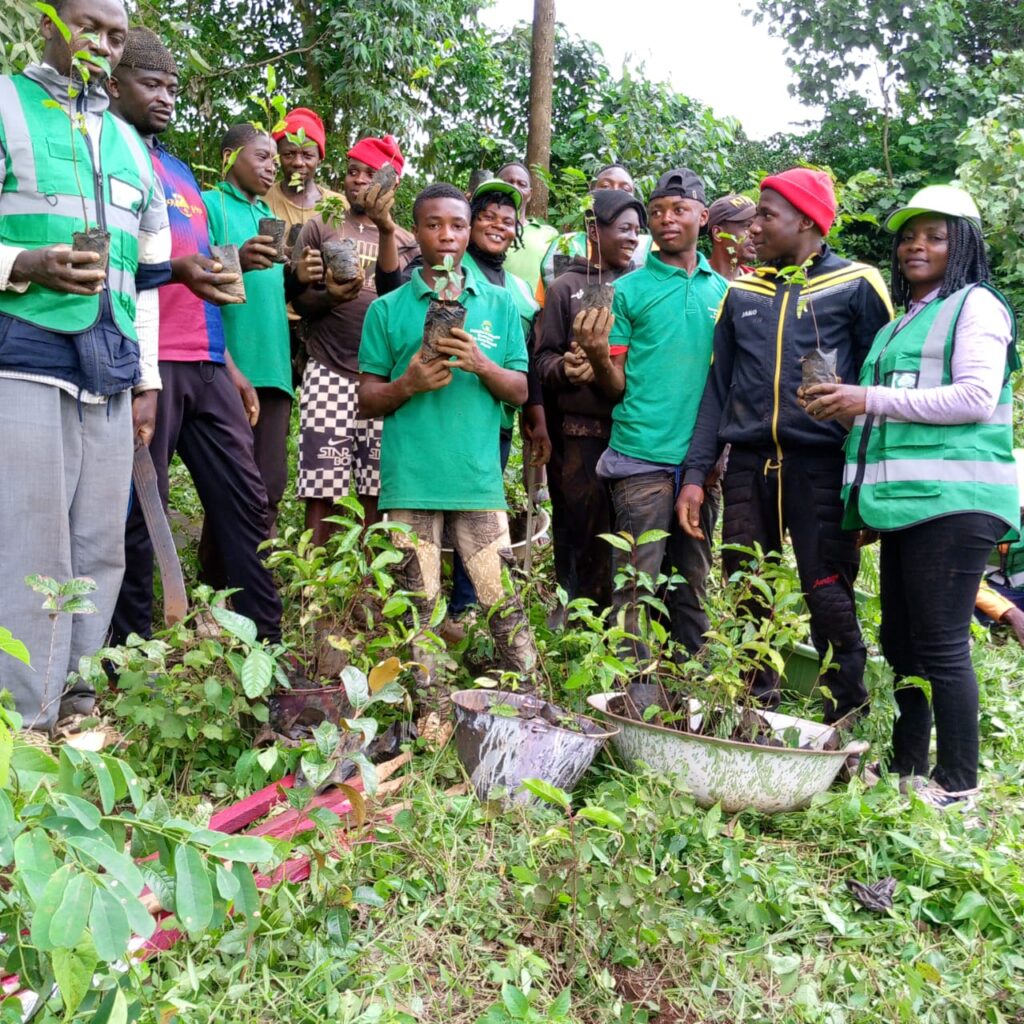
With more than 17,000 seedlings produced in 2023, PROSDOMA provides farmers and communities with trees that help improve soil structure, increase ground moisture, and protect water flow during rainy seasons.
Wetland Support for Fish-Farm Cooperatives
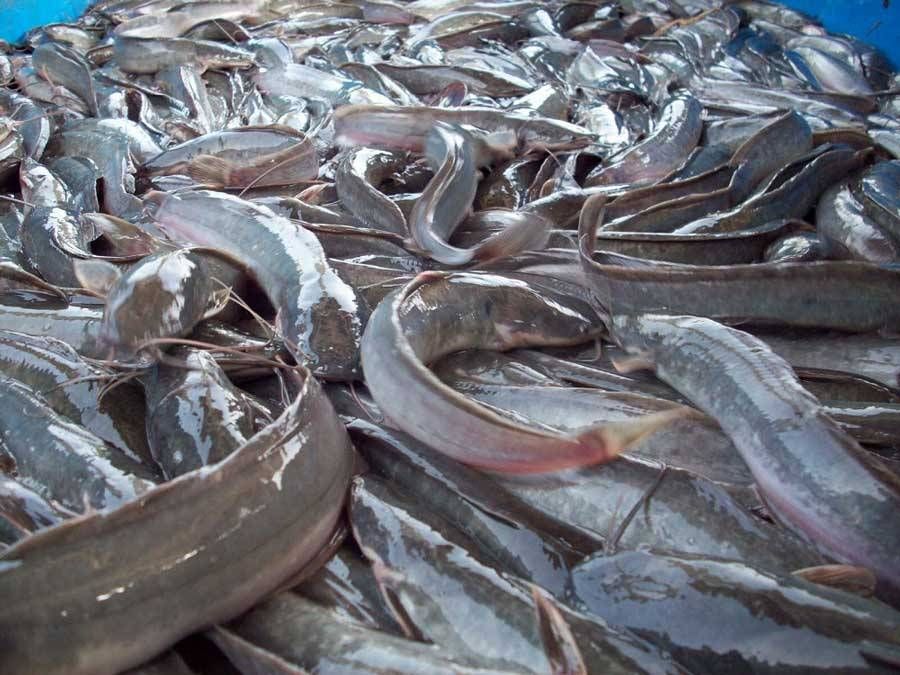
We planted over 600 nitrogen-fixing and fruit trees around fishponds in degraded wetland areas. These trees help stabilize the soil, reduce erosion, provide shade, and support the natural regeneration of wetlands. Healthy wetlands act as natural water filters and steady water reservoirs.
Sustainable Farming and Agroecology
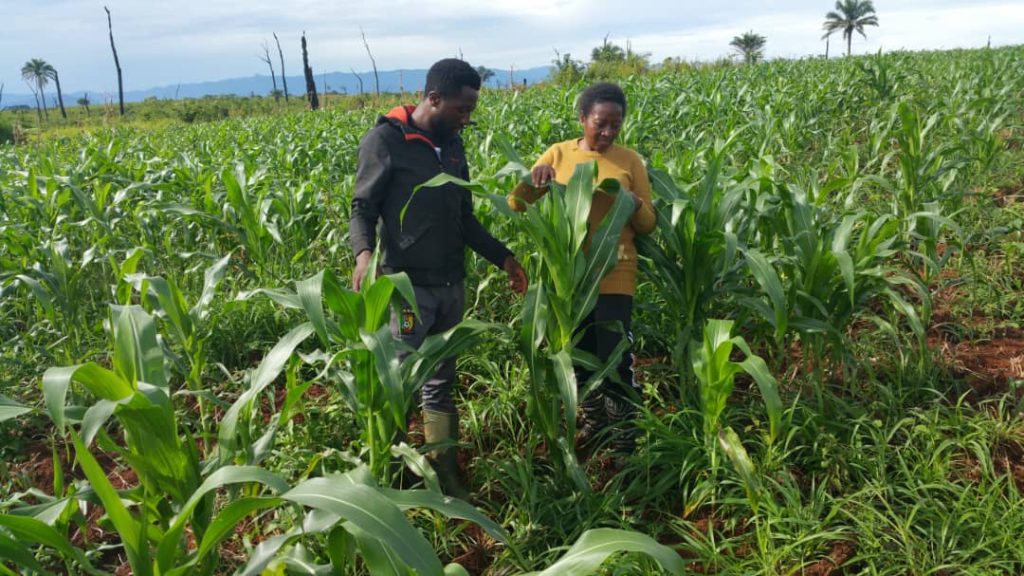
Through agroecology and mixed farming systems, such as planting 250 Inga trees in alley cropping arrangements, PROSDOMA helps farmers adopt practices that improve soil fertility and water retention. Good soil keeps water longer and reduces drought impact.
Environmental Education and Community Engagement
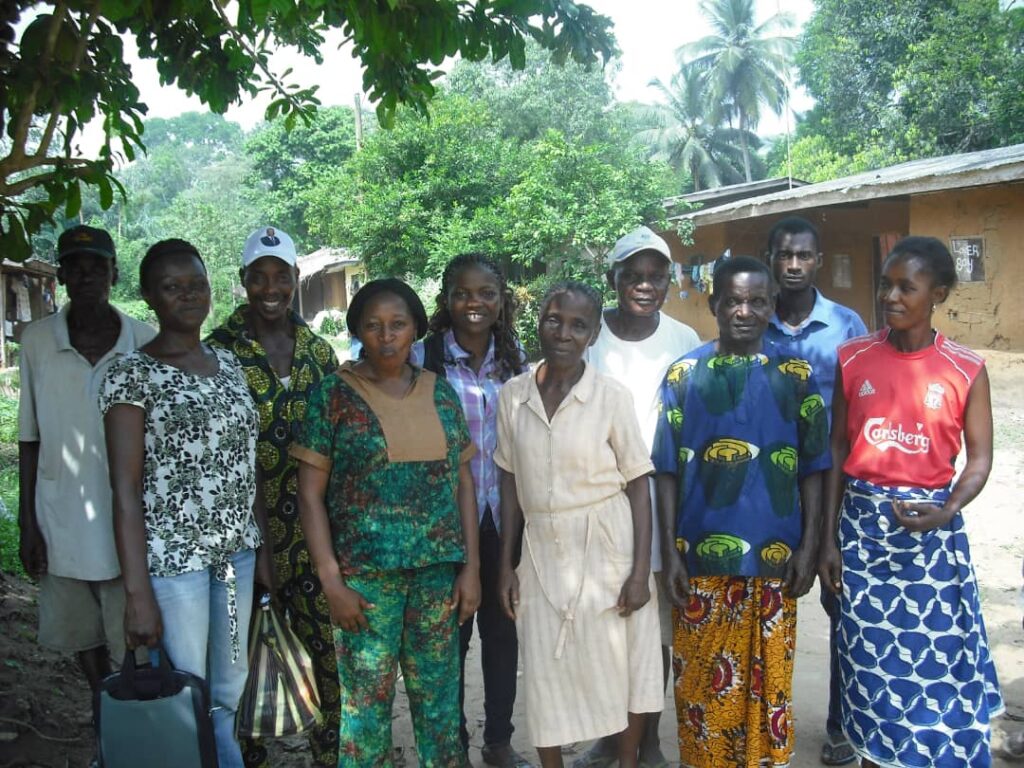
We conduct awareness activities that teach communities the importance of protecting streams, planting trees near water sources, reducing pollution, and maintaining good land management habits.
Our work goes a great mile to empower Rural development and purpose. True care
Bridges to Belonging: Stories of Fatherless Lives
Powered By EmbedPress
Empowerment Over Aid: Rethinking Newcomer Support in Canada
Canada is welcoming more newcomers than ever, but how can we go beyond just helping and truly…
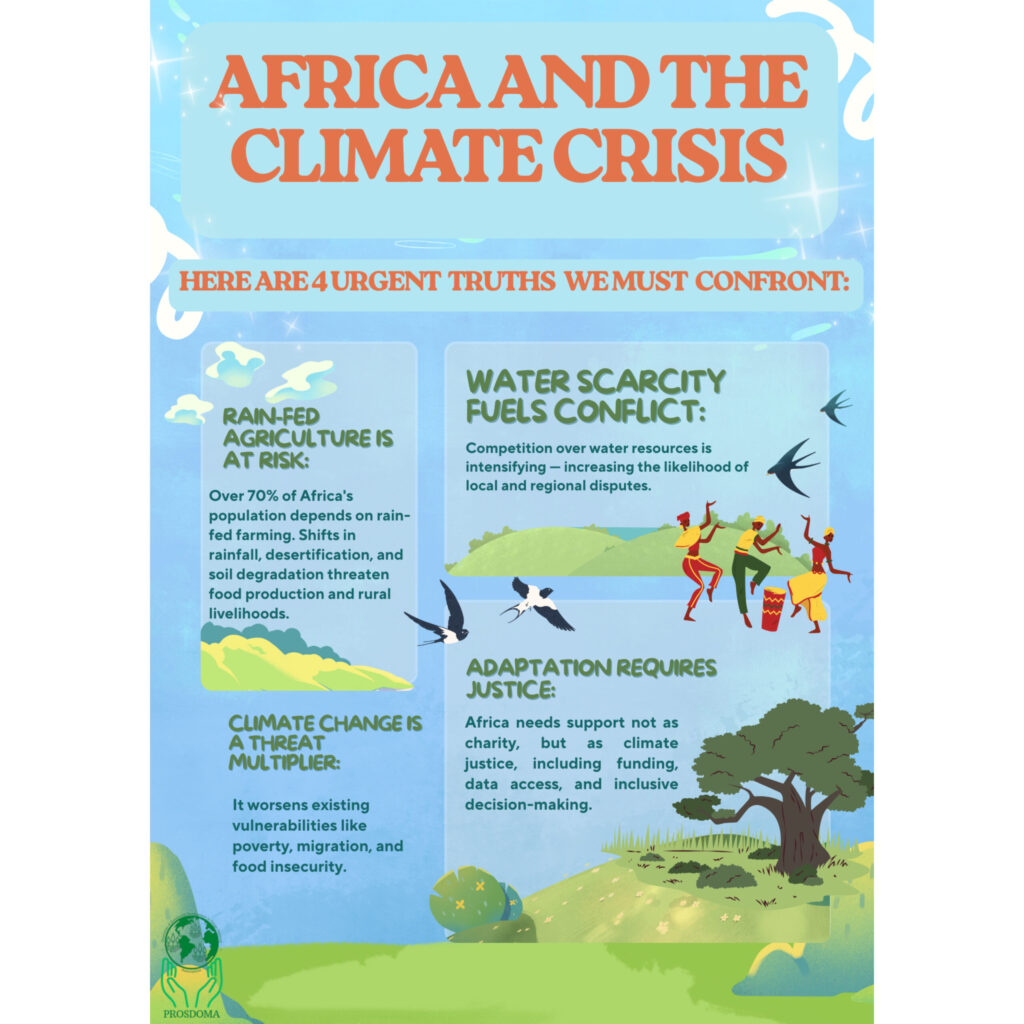
Africa and the Climate Crisis: A Disproportionate Burden
Africa contributes the least to global greenhouse gas emissions — yet faces some of the harshest consequences…