Category: Articles

  • Climate Migration: A Call for Bold, Forward-Looking Action

    Climate Migration: A Call for Bold, Forward-Looking Action

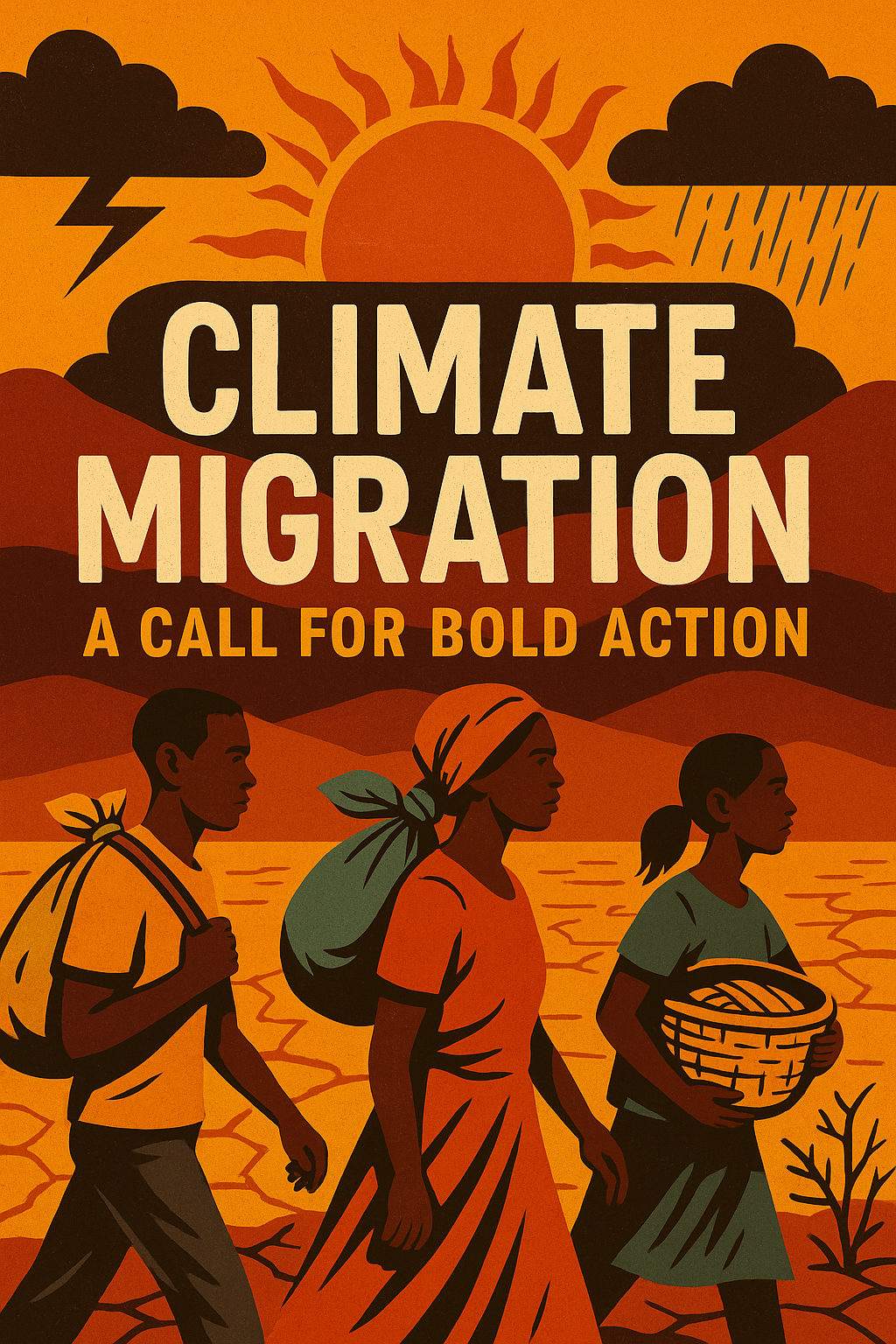
    Did you know that by 2050, up to 86 million people in Sub-Saharan Africa could be forced to migrate within their countries due to the slow-burning effects of climate change?  ️ ️

    Climate migration isn’t just about people fleeing disasters. It’s about shrinking farmland, vanishing water sources, and fragile livelihoods pushing vulnerable communities—especially youth and women—into desperate decisions.

    For many rural youth, a future in agriculture is no longer sustainable. But innovative, climate-smart solutions are making a difference.  In northern Nigeria, switching from firewood to solar-powered meat processing created jobs, curbed deforestation, and even brought young people back from the cities.

    The problem is complex—but the solutions can be transformative. Investing in human capital, creating green jobs, and pushing for bold climate action today will determine the stability of entire communities tomorrow.

    At PROSDOMA, we are committed to this vision—supporting sustainable agriculture in Africa  , building climate awareness in Alberta  , and helping newcomers thrive through job training, food security support, and eco-conscious programs.

    Let’s not wait for climate migration to peak. Let’s act now, together. Join PROSDOMA in promoting resilience, sustainability, and inclusive growth across borders.

    Source: https://www.brookings.edu/articles/climate-migration-deepening-our-solutions/

    #ClimateMigration #SustainableDevelopment #YouthEmpowerment #WomenAndClimate #GreenJobs #ClimateActionNow #SubSaharanAfrica #EnvironmentalJustice #PROSDOMA #NewcomerSupport

    AC
  • Climate Migration: The Untold Story of Resilience

    Climate Migration: The Untold Story of Resilience

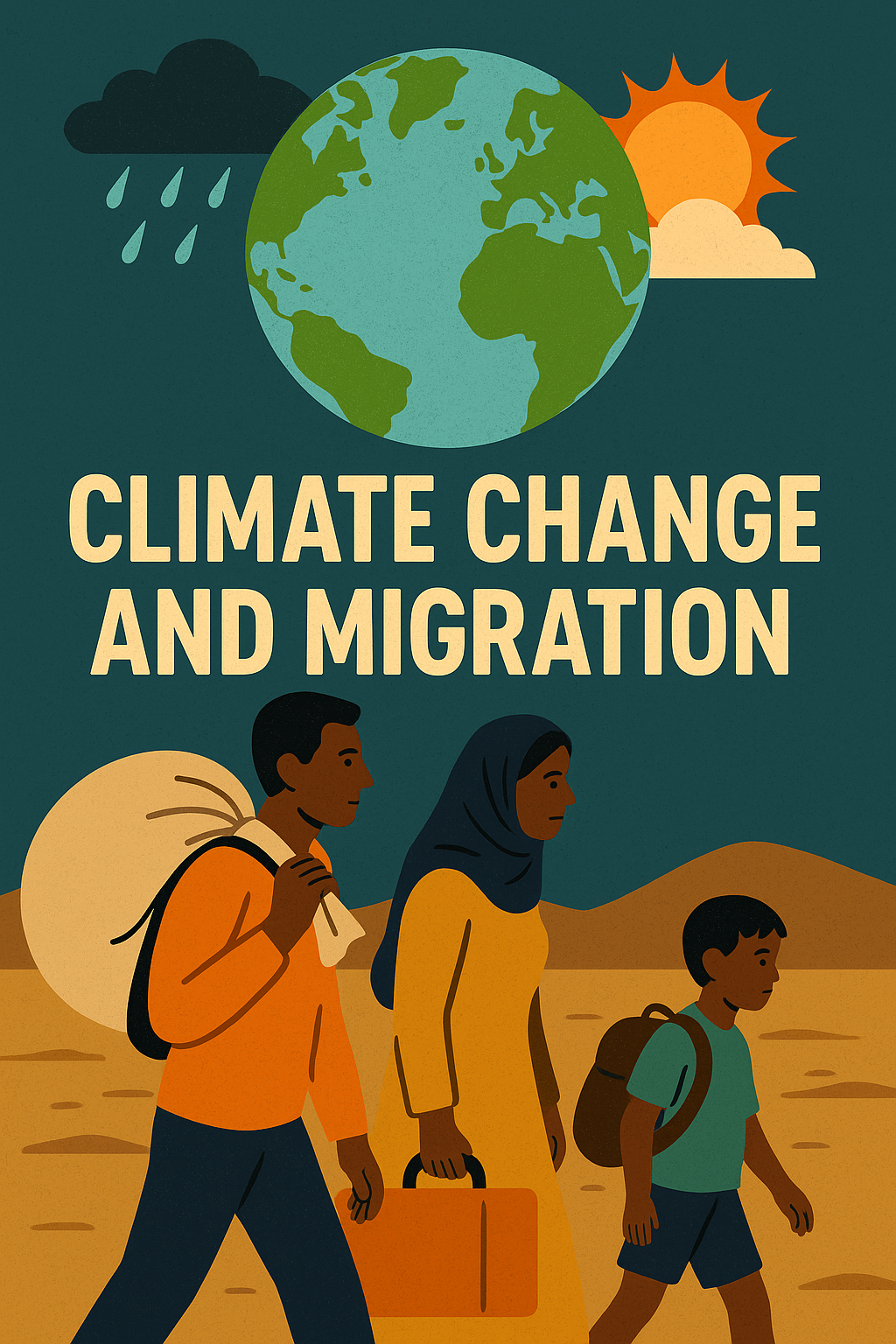
    When we hear about climate change, we often think of rising temperatures, wildfires, and floods. But there’s another, quieter impact happening around the world — people being forced to leave their homes.  ️ ️

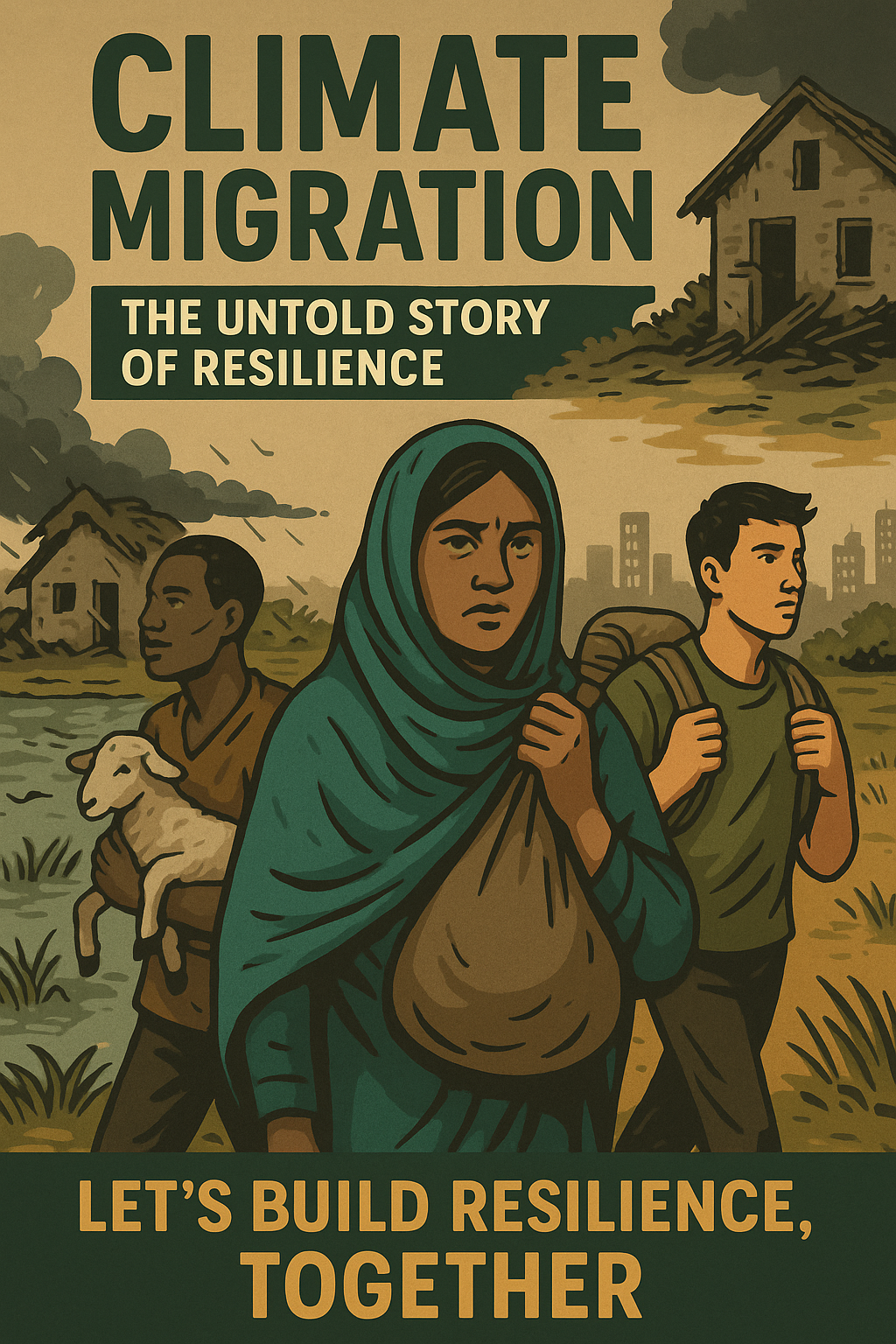
    Climate change is not just a future concern — it’s already driving migration today. But unlike the dramatic headlines, most people don’t move far. They stay as close as possible to the land they love, often clinging to fragile livelihoods.

    In Bangladesh, Senegal, and Moldova, communities are already adapting. From rebuilding herds to investing in local infrastructure and seeking safe shelter in urban areas, people are showing incredible resilience. But the choice to stay or move should be made in dignity — not desperation.   ️

    What can make a difference? Access to reliable information, strong social bonds, supportive governance, and targeted interventions. These are the tools that help people remain rooted or migrate safely.

    At PROSDOMA, we believe in building bridges — not just across borders but across challenges. We support newcomers in Alberta and promote sustainable development in Africa. As climate change reshapes our world, we must listen to the voices on the frontlines and empower communities to adapt with dignity.  ✨

    Let’s reshape the narrative. Let’s build resilience, together.

     Follow PROSDOMA to learn how we support climate action and community integration from Alberta to Africa!
    Source: https://www.wilsoncenter.org/article/investigating-climate-migration-global-realities-and-resilience

    #ClimateMigration #ResilienceMatters #ClimateJustice #SustainableDevelopment #CommunitySupport #PROSDOMA #ClimateActionNow #GlobalSolidarity #MigrationMatters #AdaptWithDignity

    AC

  • Climate Migration: Our New Reality and Shared Responsibility

    Climate Migration: Our New Reality and Shared Responsibility

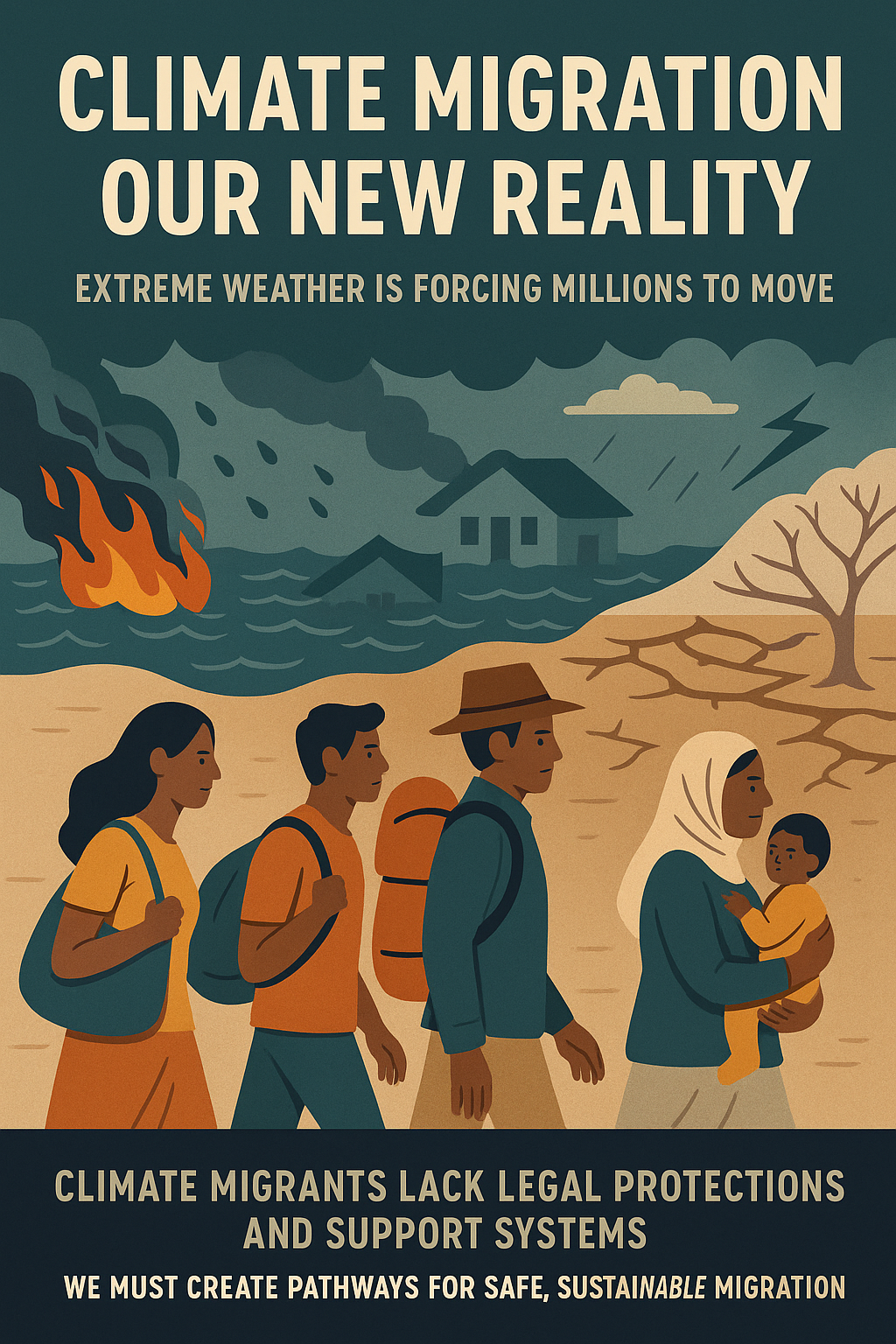
    Extreme weather isn’t just a forecast — it’s forcing people to leave their homes

    From the devastating wildfires in Maui to the prolonged drought in the Horn of Africa, climate disasters are uprooting millions. In 2022 alone, 3.2 million adults in the U.S. were displaced due to disasters. And worldwide, the numbers are even more staggering.

     ️ Climate change interacts with existing vulnerabilities — poverty, conflict, and food insecurity — creating a powerful push to migrate. Whether it’s flooding in Pakistan, back-to-back hurricanes in Central America, or unbearable heat in Phoenix, people are moving in search of safety.

    Yet climate migrants are often left without legal protections. There’s still no formal recognition of their status, no clear migration pathways, and very limited support systems.

    But there is hope. Initiatives like the Climate Displaced Persons Act propose new frameworks — including legal pathways for migration and investments in global resilience

    At PROSDOMA, we believe migration should never be a life-threatening decision. That’s why we support displaced individuals — from newcomers in Alberta to climate-affected communities in Africa — by offering tools to build safer, more sustainable lives.  ‍

    Let’s raise awareness and advocate for just and compassionate solutions. Join us in supporting sustainable migration pathways and climate resilience.

     Get involved with PROSDOMA. Together, we can create a future where no one is left behind.

    Source: https://thehill.com/opinion/energy-environment/4435928-climate-migration-is-our-new-reality-and-new-responsibility/


    #ClimateMigration #SustainableFuture #ClimateJustice #MigrationMatters #DisasterDisplacement #RefugeeRights #PROSDOMA #GlobalResilience #EnvironmentAndJustice #SupportNewcomers

    AC

  • Climate Migration: A Growing Global Challenge

    Climate Migration: A Growing Global Challenge

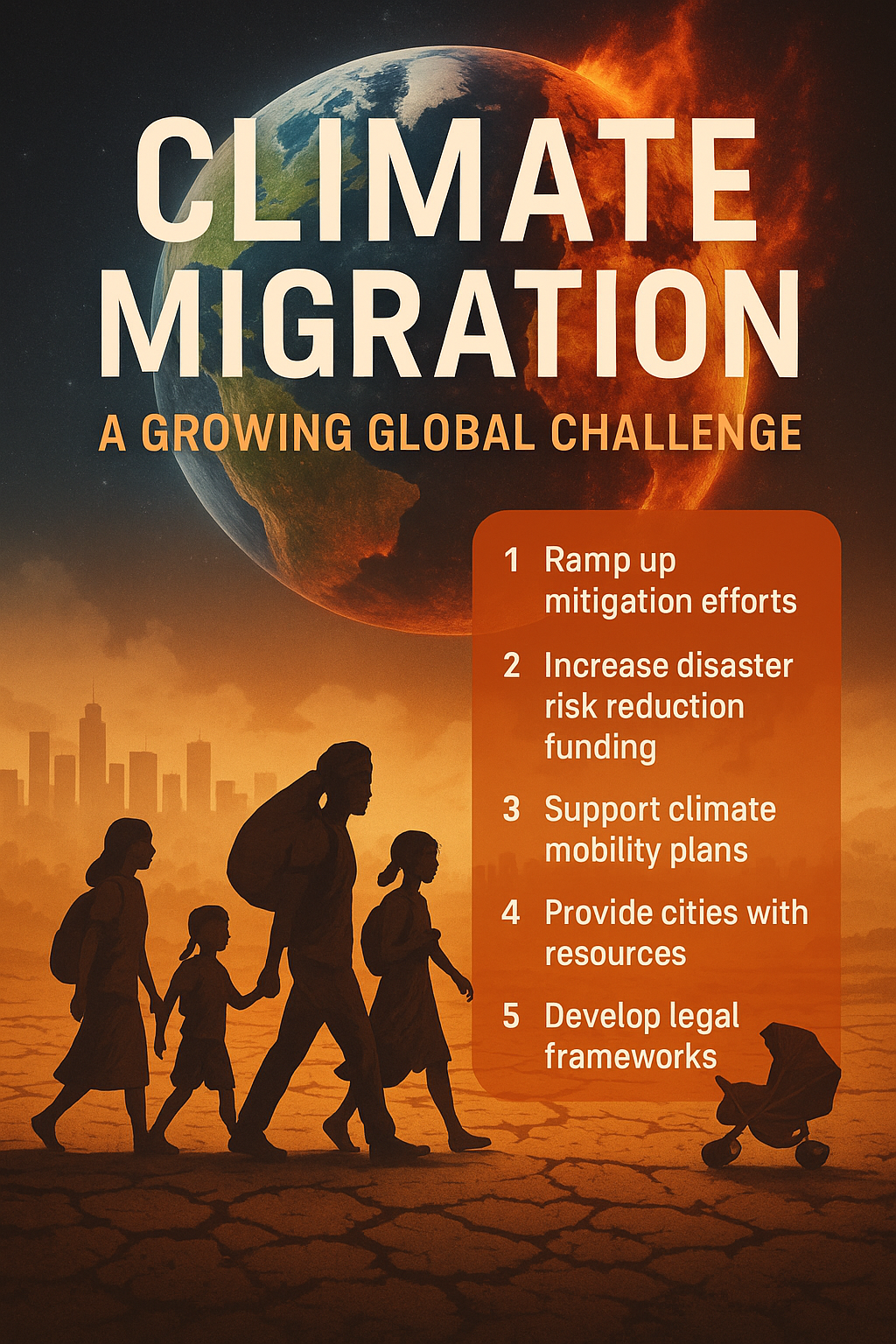
    At COP27, the world must address the urgent issue of climate migration. As the effects of climate change intensify, millions of people are being displaced by rising seas, extreme weather, and environmental degradation. Already, 20 million people are displaced annually due to natural disasters – and the situation is expected to worsen.

    Countries like Bangladesh and Vanuatu are already planning for climate mobility, but the global response has been slow.

     ️

    The World Bank estimates that 216 million people could be forced to move within their own countries by 2050 if action on climate change isn’t accelerated.

    To effectively tackle this issue, we need to:

    1️⃣

    Ramp up mitigation efforts to reduce emissions and slow the progression of climate disasters.

    2️⃣

    Increase disaster risk reduction funding to save lives and protect communities.

    3️⃣

    Support governments in creating climate mobility plans, especially in high-risk areas.

    4️⃣

    Provide cities with the resources needed to manage urbanization and the influx of climate migrants.

    5️⃣

    Develop legal frameworks and humanitarian visas to protect those forced to cross borders due to climate change.

    COP27 must turn discussion into action.

    It’s time for governments to recognize the importance of climate migration and start implementing policies that will protect vulnerable communities.

    At PROSDOMA, we are committed to helping newcomers integrate and navigate their new environment in Alberta, Canada. Let’s work together for a future where climate resilience and sustainable migration policies are central to global strategy.

    #ClimateMigration #COP27 #ClimateAction #Sustainability #DisasterRiskReduction #EnvironmentalJustice #ClimateCrisis #GlobalPolicy #ClimateResilience #Migration
    Source:
    https://www.brookings.edu/articles/cop27-an-opportunity-to-get-serious-about-climate-migration/

  • The Growing Challenge of Climate Migration

    The Growing Challenge of Climate Migration

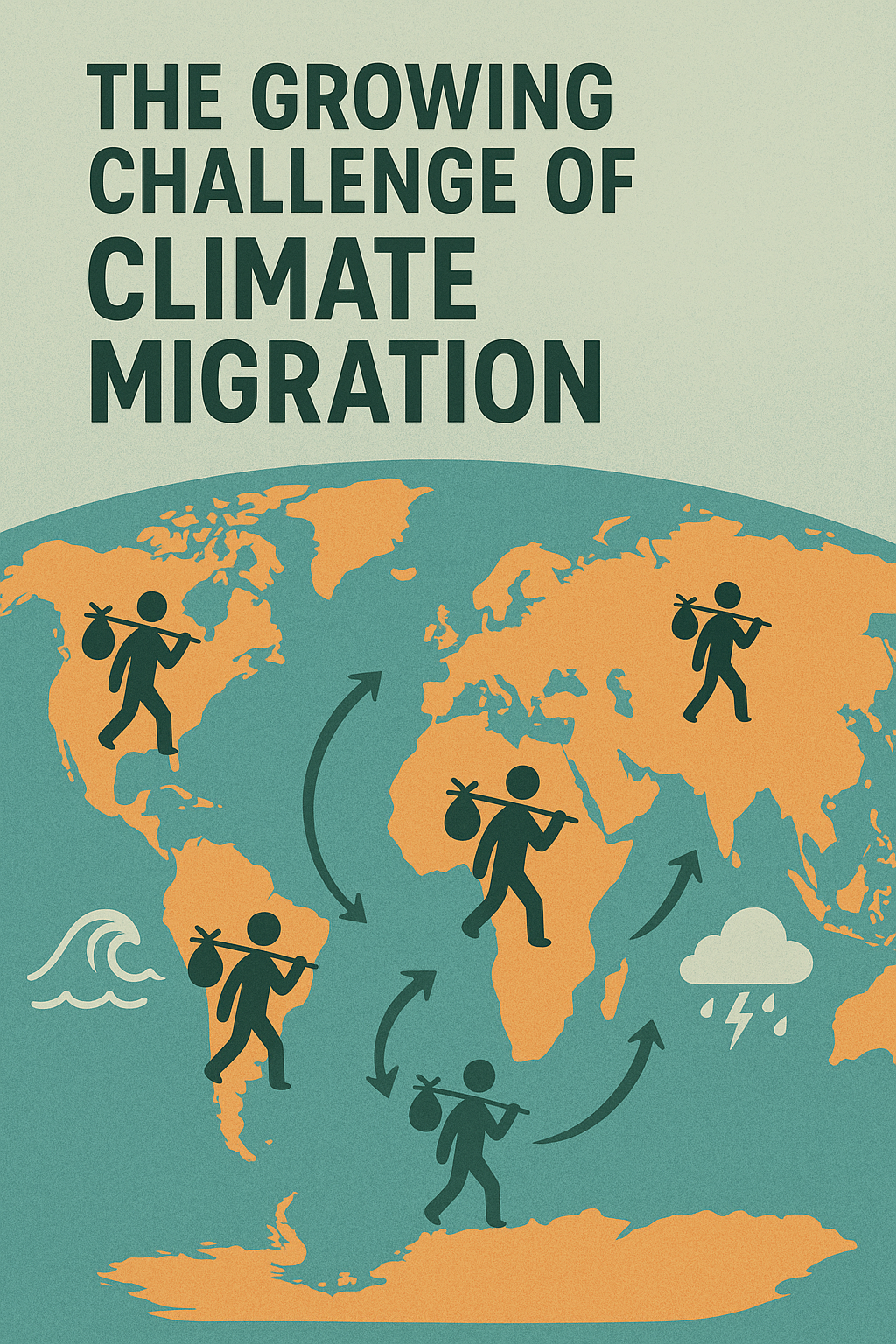
    Climate change isn’t just an environmental issue – it’s also a driving force behind one of the largest human migrations in history. As our planet warms, more communities are being forced to relocate due to the environmental impacts of climate change. From rising sea levels to extreme weather events, these shifts are transforming human geography across the globe.

    In a recent study by RAND, policies from six countries – Bangladesh, Kiribati, Kenya, Norway, the United States, and Vanuatu – were analyzed to understand how nations are preparing for and responding to climate migration. With different levels of impact and urgency, these countries have developed unique strategies to address the growing crisis of climate-induced displacement.

    Some countries focus on helping migrants through social protection programs, while others prioritize building resilience in communities that will become new population centers. The research suggests that climate migration should not be treated as a separate issue but as an integrated part of broader public policy, touching on everything from social services to security.

    As the effects of climate change intensify, it’s crucial to find solutions that support both climate migrants and host communities.

    At PROSDOMA, we believe in creating sustainable futures for both newcomers and local communities. Let’s work together for a resilient, inclusive, and climate-conscious future.

    #ClimateMigration #ClimateChange #Sustainability #GlobalPolicy #ClimateAction #SocialProtection #EnvironmentalResponsibility #Resilience #ClimateCrisis #SustainableDevelopment
    Source: https://www.rand.org/pubs/perspectives/PEA1085-1.html

  • Climate Migration: A Challenge or Opportunity?

    Climate Migration: A Challenge or Opportunity?

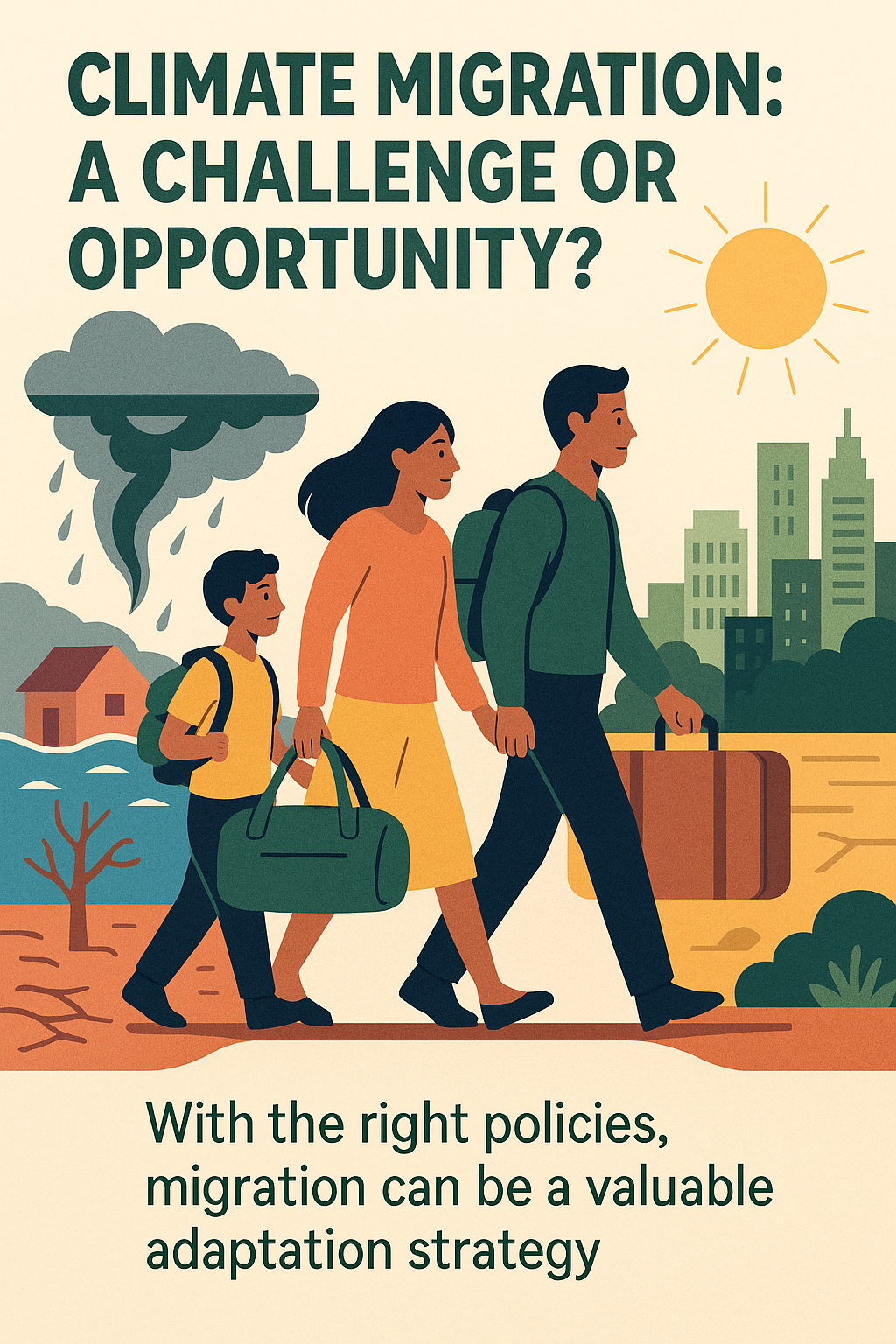
    Climate change is already reshaping our world, and migration is becoming an increasingly essential adaptation strategy. Extreme weather events like floods, storms, and wildfires are displacing millions of people, especially in regions like Sub-Saharan Africa, South Asia, and small island nations. But, as the latest UN climate report suggests, migration could be more than just a problem—it can be a solution.

     A Plan for the Future: The key to turning climate migration into a positive adaptation strategy lies in preparation. When migration is planned, supported, and legal, it offers a chance for people to rebuild their lives. From securing jobs to sending money back home, migration can help individuals and families become more resilient.

     Creating Opportunities: For migration to succeed as a solution, we need better infrastructure, social services, and labor rights protection for migrants. It’s about ensuring dignity, access to healthcare, education, and jobs in their new homes. Rather than resisting migration, governments can invest in these systems, creating a smoother transition for both newcomers and host communities.

    ✨ Prosdoma’s Role: At Prosdoma, we’re working to support newcomers in Alberta by connecting them with resources, job search assistance, legal aid, and more. As we focus on sustainable development, we recognize the importance of migration in adapting to climate change. Together, we can create a future where both newcomers and local communities thrive.

     Join the Conversation: What do you think? How can we better prepare for climate migration? Share your thoughts and let’s work towards a sustainable future for all.

    #ClimateMigration #SustainableDevelopment #Adaptation #ClimateChange #MigrationSolutions #Prosdoma #Newcomers #Alberta #EnvironmentalImpact #FutureOfMigration
    Source:https://grist.org/extreme-weather/climate-migration-is-part-of-our-future-is-it-a-problem-or-a-solution/

  • Climate Change and Migration: The Looming Challenge

    Climate Change and Migration: The Looming Challenge

    Climate change is no longer a distant threat—it’s already displacing people, and by 2050, over 140 million people could be forced to migrate within their own countries due to slow-onset climate impacts like drought, sea-level rise, and crop failure. But here’s the good news: it doesn’t have to be a crisis. Proper planning can turn this challenge into an opportunity for growth and economic stability.

    The World Bank recently highlighted the urgency of addressing climate migration and the importance of planning for internal migration, especially in regions like Sub-Saharan Africa, South Asia, and Latin America. Migration is often driven by those most vulnerable to climate change—people who have contributed the least to global warming. It’s essential that developed countries step up to support these nations through both emission reduction efforts and funding to help with migration planning.

     With smart planning, climate migration can create new economic opportunities, improving livelihoods for people who may otherwise be forced to live in increasingly unstable environments.
    But this planning needs to start now! By fostering sustainable practices, investing in less climate-sensitive industries, and strengthening economies, countries can help communities adapt before migration becomes unavoidable.

    At PROSDOMA, we are committed to supporting communities through sustainable development and advocating for climate action. We’re dedicated to helping newcomers to Canada integrate into society and build strong, resilient communities, while also addressing global challenges such as climate change.

    It’s time to plan, take action, and ensure a sustainable future for all.

    #ClimateChange #ClimateMigration #SustainableDevelopment #GreenFuture #GlobalImpact #Migration #ClimateAction #ResilientCommunities #EconomicOpportunities #PROSDOMA
    Source:https://www.scientificamerican.com/article/wave-of-climate-migration-looms-but-it-doesnt-have-to-be-a-crisis/

  •  Smart Tech Meets Sustainability — the PROSDOMA Way!

     Smart Tech Meets Sustainability — the PROSDOMA Way!

    In 2022 alone, over 62 million tonnes of e-waste were generated globally  and only 22.3% was properly recycled. At PROSDOMA, we’re asking: What if the tools we use to protect our environment didn’t harm it in the process?

    A recent study by Elif Özdemir (Intersect, 2024) offers hope through AI-enhanced biodegradable sensors, cutting-edge tools that monitor pollution, temperature, and humidity, while naturally decomposing after use. These sensors, powered by artificial intelligence, provide real-time data to detect environmental risks early and optimize sustainability efforts from farms to cities.

    The innovation lies not only in the science, but in the ethics: inclusive access, responsible AI governance, and local stakeholder engagement are essential. For PROSDOMA, it’s a bold step toward a future where technology serves both people and the planet.

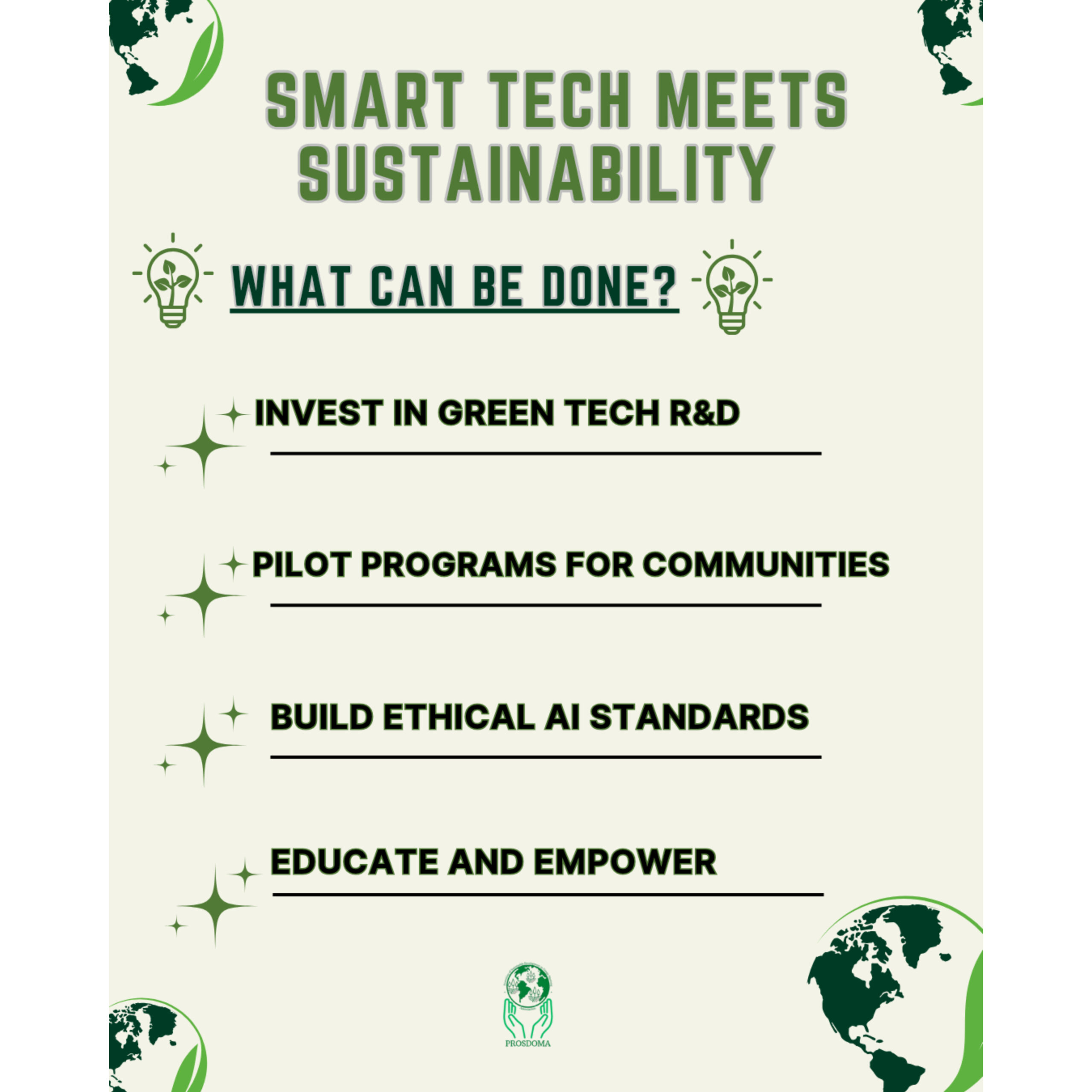
    ✅ What Can Be Done?

    1️⃣ Invest in Green Tech R&D

    Encourage public and private funding for biodegradable, AI-integrated monitoring tools.

    2️⃣ Pilot Programs for Communities

    Support low-cost trials in vulnerable regions most affected by environmental risks.

    3️⃣ Build Ethical AI Standards

    Ensure transparency, privacy, and equity in sensor deployment and data usage.

    4️⃣ Educate and Empower

    Train local youth and scientists in the design and use of sustainable tech.

    Learn more at www.prosdoma.org

    #GreenAI #SmartSensing #EwasteSolutions #ClimateJustice #TechForGood #Prosdoma

    by E.D.

    Source: Özdemir, E. (2024). AI-Enhanced Biodegradable Sensors for Environmental Monitoring. Intersect, 18(1)

  •  SDG Targets Are Slipping — But Hope Isn’t Lost

     SDG Targets Are Slipping — But Hope Isn’t Lost

    The 2025 UN SDG Report reveals a sobering truth: only 15% of SDG targets are on track, while nearly half are moderately or severely off course. Global crises — from COVID-19 and conflict to climate shocks, have pushed progress into reverse, widening inequality, stalling climate action, and deepening poverty.

    Yet amidst the setbacks, the report also highlights pockets of resilience and opportunity. Countries that have prioritized social protection, digital inclusion, and climate finance are showing measurable improvements — proving that progress is still possible with the right investments and partnerships.

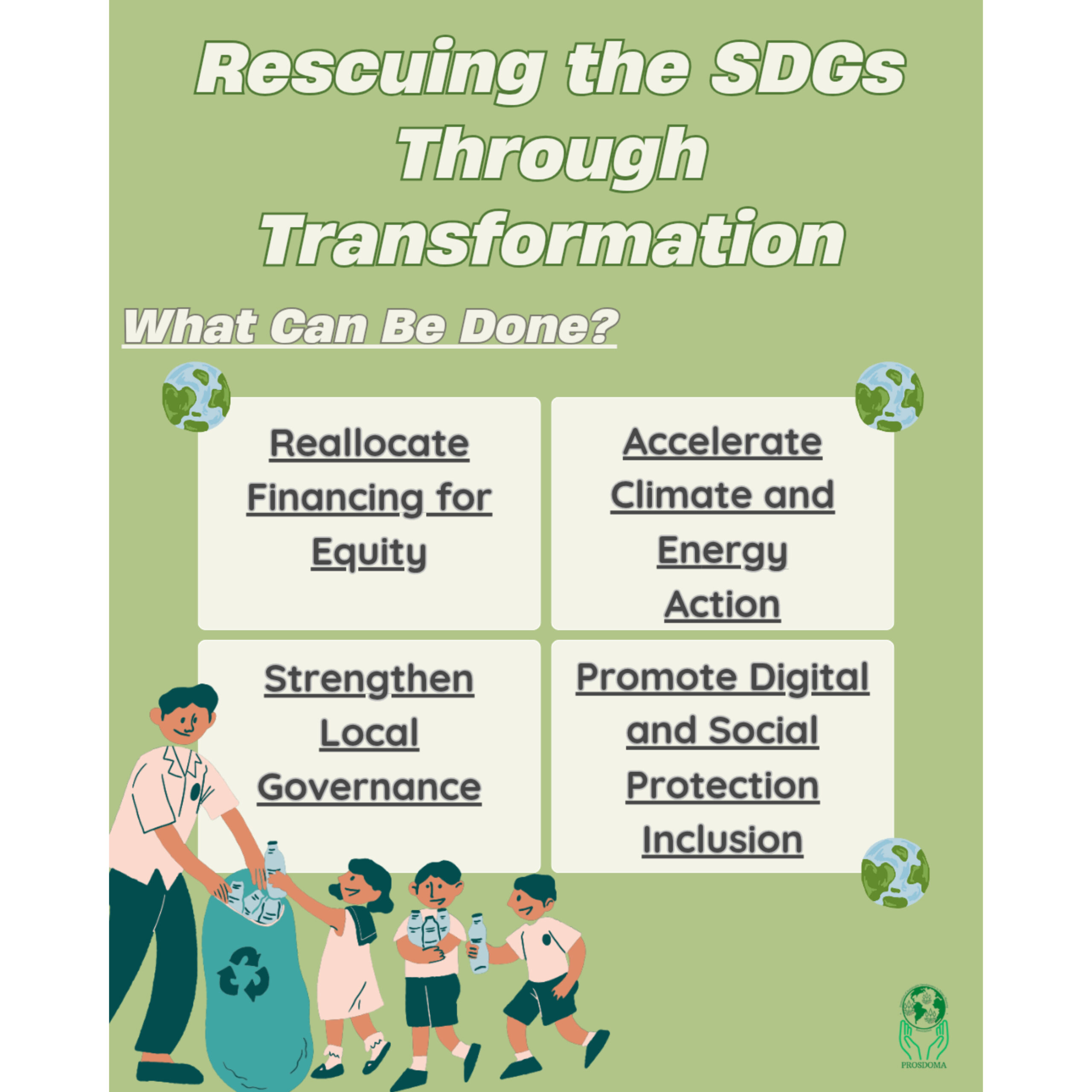
    At PROSDOMA, we echo the report’s call: “rescue the SDGs through transformation.” That means going beyond business-as-usual. We need bold reforms, equity-driven policies, and grassroots innovation to shift the current trajectory.

    ✅ What Can Be Done?

    1️⃣ Reallocate Financing for Equity

    Redirect global funding toward the most vulnerable regions and social sectors.

    2️⃣ Accelerate Climate and Energy Action

    Prioritize clean energy access and resilient infrastructure in the Global South.

    3️⃣ Strengthen Local Governance

    Empower communities to lead solutions tailored to their realities.

    4️⃣ Promote Digital and Social Protection Inclusion

    Expand access to e-services, education, and safety nets for all.

    The goals are still within reach but only if we act together, and now.

    www.prosdoma.org

    #SDGs2025 #GlobalGoals #SocialJustice #ClimateAction #Prosdoma #EquityNow #ActFor2030

    by E.D.

    Source:

    United Nations (2025). The Sustainable Development Goals Report 2025. https://unstats.un.org/sdgs/report/2025 

  • AI Meets Soil: Can Algorithms Save Our Land

    AI Meets Soil: Can Algorithms Save Our Land

    As climate change accelerates and land degradation spreads, soil health has become one of the most urgent but overlooked environmental issues. According to a 2025 article in the European Journal of Soil Science, artificial intelligence is emerging as a transformative force in the field.

    From machine learning models that map soil nutrients with satellite imagery to AI algorithms predicting erosion risk, digital tools are helping scientists and farmers better understand and manage soil ecosystems. Yet, challenges remain: data gaps, model bias, and lack of field validation limit the practical impact of these technologies, especially in the Global South.

    At PROSDOMA, we believe the future of food security and environmental resilience lies beneath our feet — in healthy, living soil. And to protect it, AI must be inclusive, transparent, and locally grounded.

    ✅ What Can Be Done?

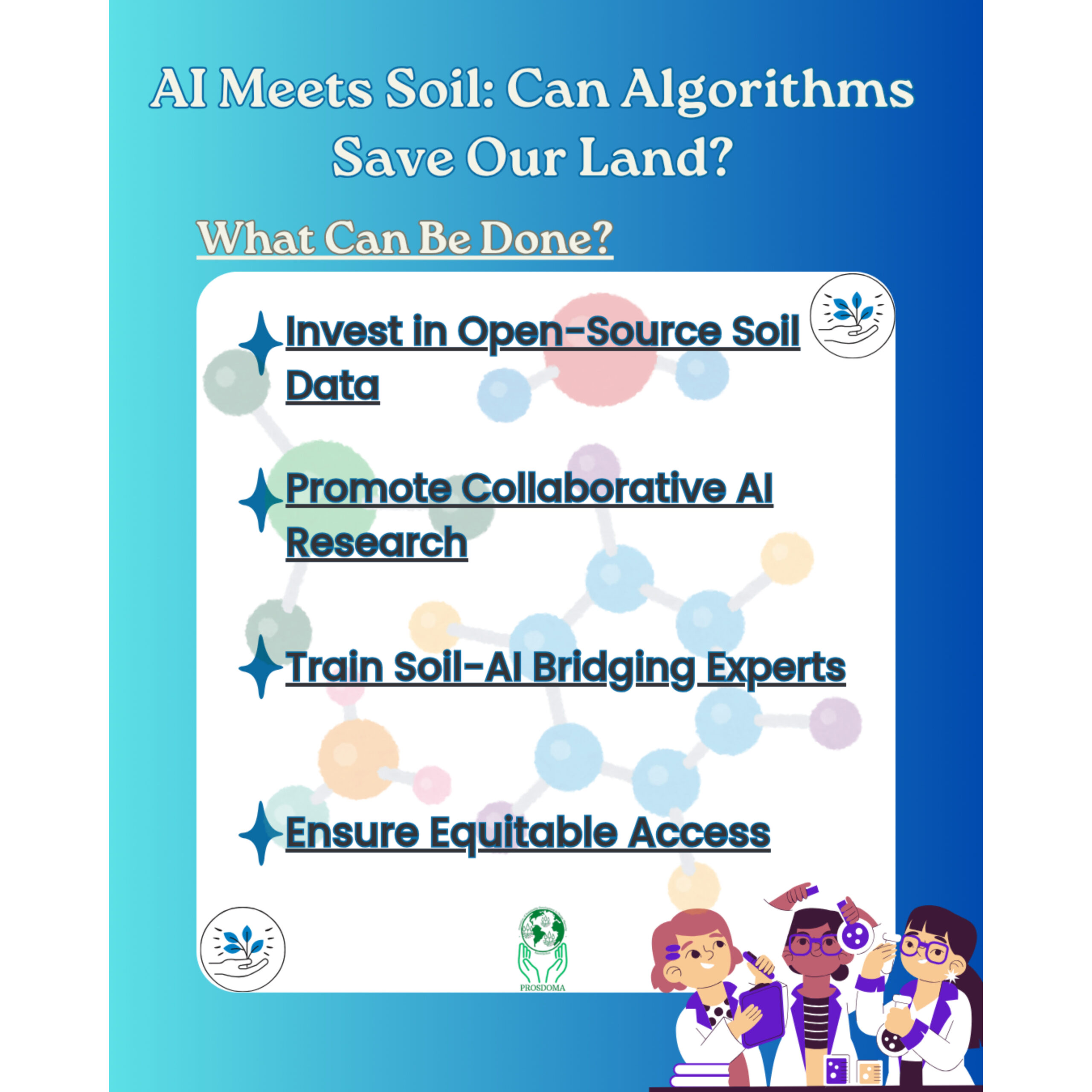
    1️⃣ Invest in Open-Source Soil Data

    Support the creation and sharing of soil datasets across countries and regions.

    2️⃣ Promote Collaborative AI Research

    Bridge the gap between scientists, local farmers, and tech developers to co-design solutions.

    3️⃣ Train Soil-AI Bridging Experts

    Support interdisciplinary training programs that connect data scientists with soil ecologists and agronomists.

    4️⃣ Ensure Equitable Access

    Fund digital infrastructure and capacity building in low-income countries to prevent an AI divide in agricultural innovation.

    Healthy soil is the foundation of climate resilience, food security, and sustainable livelihoods. Let’s make sure AI works with nature and with people.

    www.prosdoma.org

    #SoilHealth #AIForGood #ClimateResilience #SustainableFarming #DigitalAgriculture #Prosdoma

    by E.D.

    Source:

    Wadoux, A. M. J. C. et al. (2025). Artificial Intelligence in Soil Science. European Journal of Soil Science, 76(3). https://doi.org/10.1111/ejss.13442