When people think about migration, they often imagine paperwork, borders, and legal
processes. But for many migrants and asylum seekers, the real challenge begins long after the
flights have landed and forms have been filed.
Behind every asylum case, job search, and permanent residence application is a person
navigating the invisible weight of trauma, uncertainty, and isolation. For migrants and refugees,
especially those forced to flee due to conflict, poverty, or persecution, migration is not just a
physical transition—it is an emotional upheaval.
Globally, up to 30% of refugees and migrants are estimated to suffer from post-traumatic stress
disorder (PTSD), 40% from depression, and many more from anxiety and prolonged grief,
according to the World Health Organization (WHO).
Many assume that once migrants secure legal status, the hardest part is over. But in reality, the
trauma of what was left behind doesn’t disappear and the demands of starting over in an
unfamiliar system can be overwhelming.
There is pressure to find work immediately. To understand complicated government forms. To
navigate racism or isolation and to do all of this while grieving home
In Alberta, where an increasing number of migrants are resettling in smaller towns and remote
communities, the gap in culturally relevant mental health care is stark. Many migrants come
from cultures where mental health is stigmatised or misunderstood, making it even harder to
reach out for help.
While PROSDOMA is widely known for its work in agricultural development—providing
training, infrastructure, and services to empower small-scale farmers—it has quietly become a
lifeline for vulnerable migrant communities, particularly in Alberta.
Between 2024 and March 2025, PROSDOMA filed 16 asylum cases, with 5 individuals
successfully granted Protected Person Status, and submitted 7 permanent residence
applications, 2 of which have already been approved.Understanding the link between mental
health and socioeconomic stability, PROSDOMA combines legal aid with holistic community
support.
In the past year alone, 14 newcomers were trained in basic computer skills, easing the stress of
job searching, 3 individuals secured full-time employment, and 2 found part-time work—
restoring a sense of agency and purpose. 5 migrants were given security and first aid training,
offering short-term employment opportunities and stability 13 migrants were connected to legal
aid, food banks, and shelters, easing daily stressors that often worsen anxiety or depression, 9
individuals received help filing their income taxes, a small but critical act that fosters inclusion
and reduces bureaucratic overwhelm.
Each of these achievements are more than a number; they are mental health interventions in
disguise. Reducing uncertainty, building trust, and restoring dignity are foundational to mental
well-being.
As Canada continues to welcome migrants fleeing war, persecution and instability,
PROSDOMA is showing that healing does not happen through paperwork alone. It happens
when newcomers are seen, heard, and supported—emotionally and practically.
One Million Sticks and a Harvest in Bloom
One Million Sticks and a Harvest in Bloom
For generations, farming in the remote hills of Ako, a town in the Donga Mantung Division of
the North-West Region of Cameroon has been a quiet struggle. Tucked between thick forests
and winding dirt paths, the communities here depend on the land but the land has not always
been kind.
Yields were unpredictable. A bad harvest meant going hungry. There was no training, no
support and no access to improved varieties that could survive pests or poor weather.
Cassava is not glamorous and rarely makes headlines, but for families in Ako, Nkambe and
Ndu, it is life. It is pounded, grated, dried, boiled and turned into everyday meals like fufu and
garri. But growing it was always difficult. Farmers used what they had; old, weak sticks just
hoping something would grow.
With support from government ministries and development partners, Promotion of Sustainable
development in Donga-Mantung Association (PROSDOMA), launched a program to help
farmers not only grow more but grow smarter. PROSDOMA has distributed over one million
improved cassava cuttings to local farmers, completely free of charge. These cuttings are from
stronger varieties that could withstand climate changes, resist pests and produce more food.
PROSDOMA worked hand-in-hand with farmers, offering training on how to prepare the land,
plant in neat rows, manage pests using safe method and store cassava after harvest to reduce
loss. Field schools and demonstration plots were set up and farming has became a shared
learning experience, not just a lonely chore.
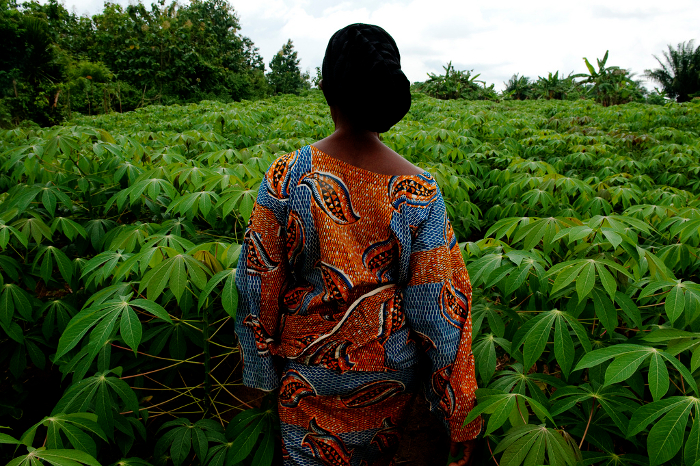
Today, the fields in Ako, Nkambe, and Ndu are getting greener, fuller and more hopeful than
they have been in years. What was once dry, cracked land now stretches with rows of healthy
cassava plants.
For farmers who once barely had enough to eat, this is more than just a good harvest, it is the
beginning of something new. More cassava meant more food on the table, money for school
fees and savings for emergencies. It meant farmers did not have to rely on others to survive.
They had something of their own, something they built from the ground up.
A stronger harvest brings more than food. It brings dignity, confidence, and independence. It
allows parents to dream of a better future for their children. It gives farmers the power to plan
ahead, not just worry about surviving day to day.
PROSDOMA’s one million sticks has turned into thousands of stories of resilience and
renewal.

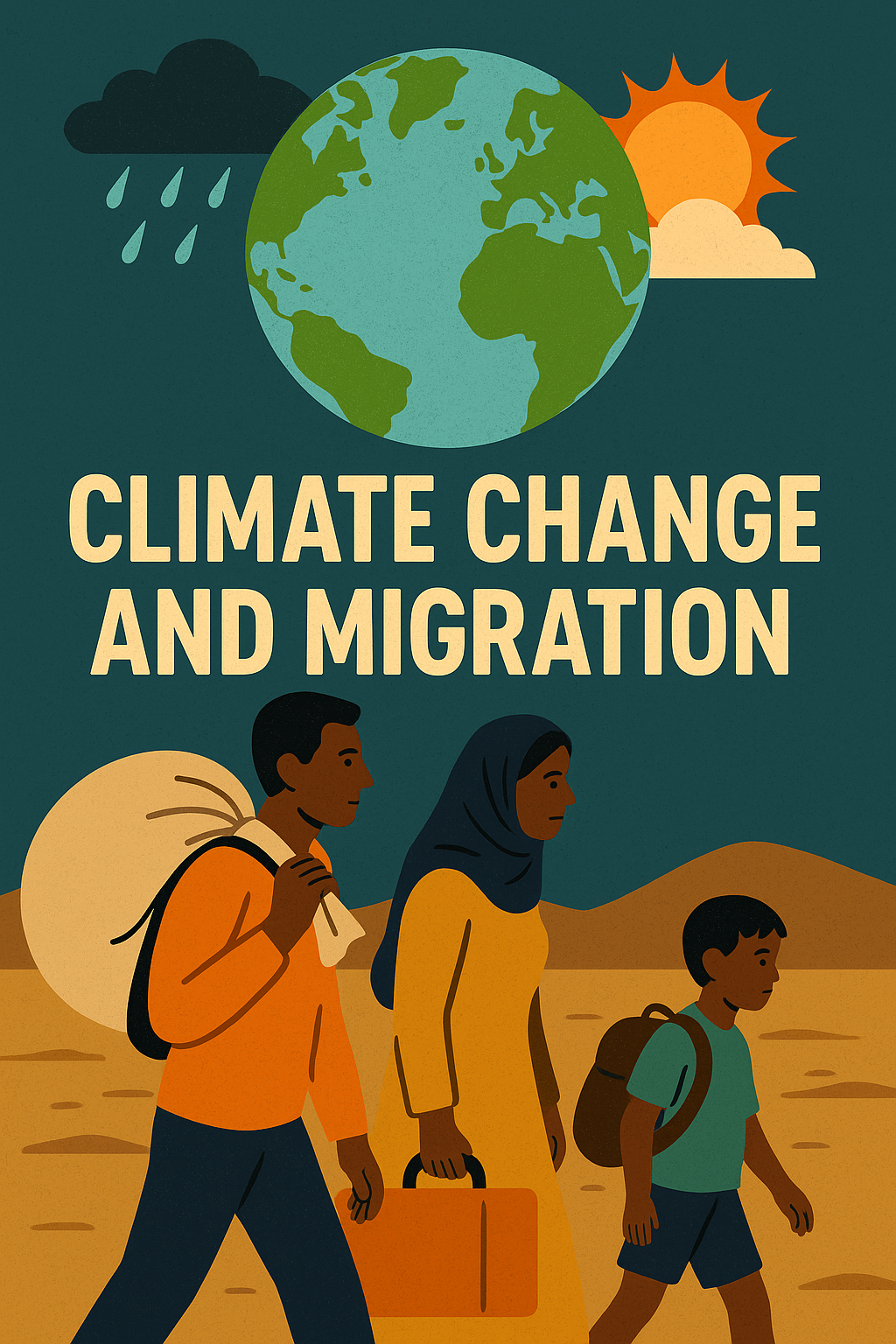
 With smart planning, climate migration can create new economic opportunities, improving livelihoods for people who may otherwise be forced to live in increasingly unstable environments.

 They emphasized the role consumers can play in reducing their carbon footprints, through actions like flying less, eating less meat, and opting for electric cars when possible.
 Can you take fewer flights? Opt for more sustainable alternatives like trains or buses when possible?


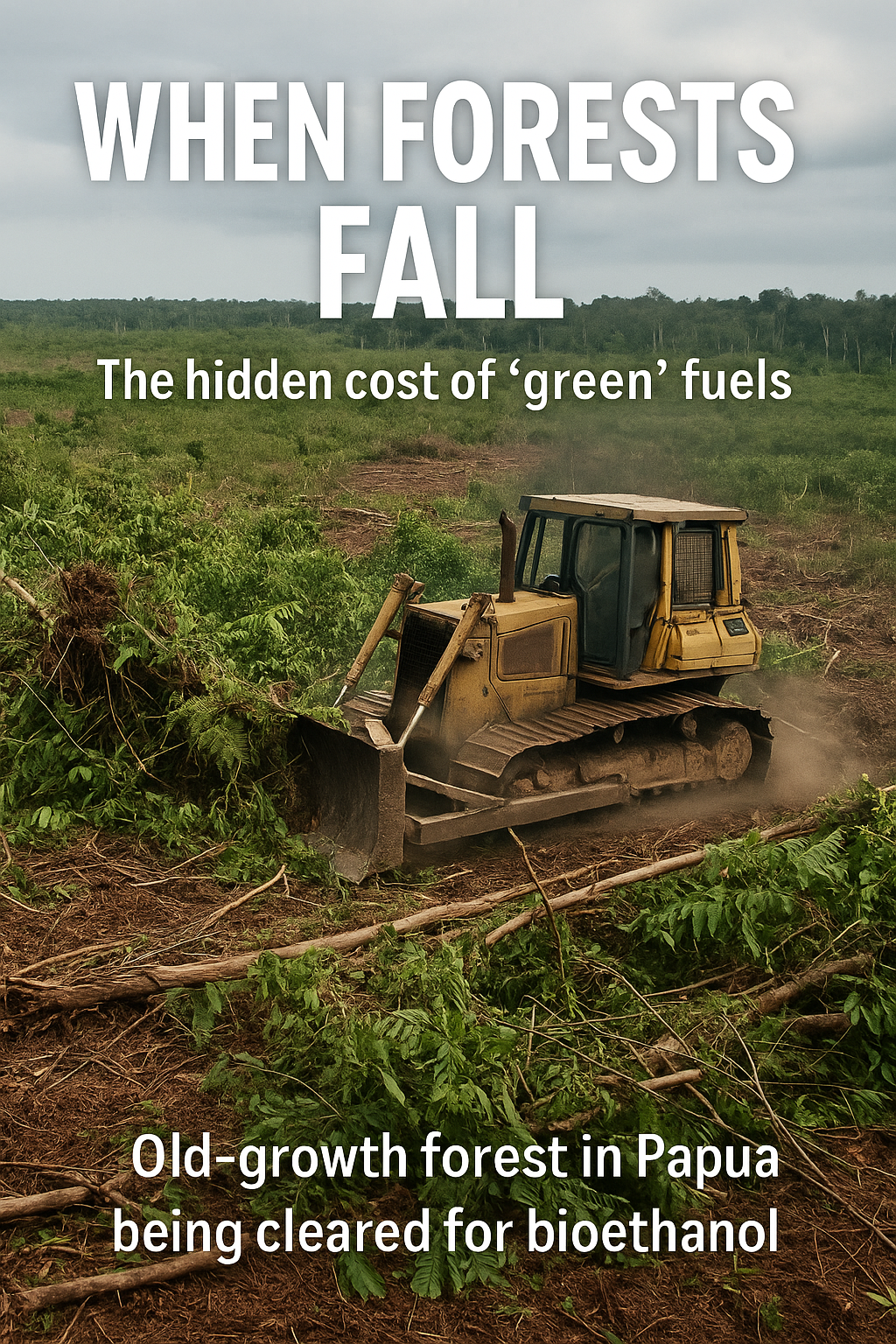
 Centuries-old tribal forests are being bulldozed. Indigenous Papuan families like the Kwipalos are losing access to ancestral land where they hunt, fish, and gather food. Their culture and survival are at risk.
 These forests are also home to endangered species found nowhere else on Earth—orangutans, forest elephants, rare birds, and plants—whose habitats are being erased for monoculture plantations.
 Experts warn that this “green energy” comes with a high carbon price. Clearing these forests could release over 300 million tons of CO₂, accelerating the very climate crisis biofuels aim to fix.
 Reforestation can’t fully restore what’s lost. Old-growth forests regulate water, store carbon, and support biodiversity in ways no plantation ever can.
 Let’s rethink what sustainability really means. Share this story. Speak out. Support climate justice.