Author: admin

  • Why Online Volunteering Matters – and Why YOU Matter

    Why Online Volunteering Matters – and Why YOU Matter

    In today’s connected world, making a difference doesn’t require boarding a plane or being in a meeting room.

    At PROSDOMA, our online volunteers are proof that impact has no borders.

    With just a device and dedication, you can help newcomers feel at home in Alberta, support sustainable development in Africa, and amplify important causes like climate action – all from your own space.

    Whether you’re a professional or someone simply passionate about change, your skills are powerful.

      Let’s use them to build something that matters.

  • Can Digital Tools Empower Rural Africa? A Call for Inclusive ICT Development

    Can Digital Tools Empower Rural Africa? A Call for Inclusive ICT Development

    As the digital revolution transforms lives across the globe, millions in rural Africa remain disconnected, not just from the internet, but from opportunity. What if the solution to closing this gap lies not only in fiber optic cables and devices, but in inclusive, context-driven ICT policy and practice?

    In their groundbreaking study, Joseph & Andrew (2006) argue that ICT has the power to catalyze rural development, if designed with empowerment in mind. Their review of case studies across Sub-Saharan Africa reveals how access to digital tools contributes to improvements in agriculture, health, governance, and gender equality.

    ✨ Success stories include:

    Busy Internet in Ghana: A hub for digital access and skills development.

    NEPAD e-schools: Offering free internet, health points, and e-learning to underserved communities.

    WOFAN (Nigeria): Leveraging radio to educate rural women on health, farming, and rights.

    Women’s Voices (Kenya): Teaching women to create video narratives about their own lives, reclaiming power through storytelling.

    Yet, the challenges are deep-rooted:

    High costs of devices and connectivity

    Scattered rural populations and low literacy

    Gendered barriers in ICT access and leadership

    Lack of localized software and user-centered design

    Outdated ICT policies that fail to include the most marginalized

    So what can we do to close the digital divide?

    Invest in infrastructure while subsidizing ICT tools for rural households.

    Translate and adapt content into local languages for relevance.

    Empower women and girls through access to devices, ICT training, and leadership.

    Promote community ICT hubs and women-led digital media projects.

    At PROSDOMA, we know that digital access isn’t just a tech issue—it’s a justice issue. That’s why our work bridges continents: empowering newcomers in Canada and uplifting communities in Africa. We envision a future where no voice is excluded from the digital conversation.

    Join Us: https://old.prosdoma.org/

    by E.D.

    Source: Joseph, M. & Andrew, T. (2006). Rural African Dreams: ICT for Development. IST-Africa Conference Proceedings.

       How Can Technology Drive Sustainable Behavior? Insights from Psychology & Design

    Did you know that technology doesn’t just consume resources—it can also shape how we conserve them?

    According to Midden et al. (2007), technology plays four powerful roles in environmental behavior:

    Intermediary – sits between behavior and impact (e.g., using a lightbulb vs. sunlight).

    Amplifier – boosts our performance and our resource use (e.g., better cars = more driving).

    Determinant – silently shapes behavior by making some actions easier or harder (e.g., presence of bike lanes).

    Promoter – encourages sustainability through interactive feedback, smart systems, and immersive media.

    These insights show that behavioral design and engineering must go hand in hand to build greener futures.

    What should we prioritize for sustainable tech design?

    Integrate real-time feedback into everyday tools (e.g., home energy monitors).

    Design products that motivate beyond “green labels”—make sustainability desirable.

    Use immersive media to connect emotions with distant climate risks.

    Smart technology shouldn’t make users passive; it should empower them to stay in control.

    At PROSDOMA, we believe sustainability begins with awareness and evolves through action. Whether supporting rural farming in Africa or digital literacy in Canada, we embrace technology’s transformative role in resource conservation.

    Join Us: https://old.prosdoma.org/

    by E.D.

    Source: Midden, C. J. H., Kaiser, F. G., & McCalley, L. T. (2007). Technology’s Four Roles in Understanding Individuals’ Conservation of Natural Resources, Journal of Social Issues.

    ⚖️ Can Legal Advocacy Deliver Climate Justice? Exploring the Power of Law in the Face of Inequality

    As climate change accelerates, so do its injustices. Despite contributing the least to global emissions, marginalized communities, from low-income neighborhoods in the U.S. to coastal villages in Bangladesh, bear the brunt of environmental disasters, toxic pollution, and forced migration.

    According to Ahmed & Uddin (2025), legal advocacy has emerged as a critical tool in the fight for environmental justice. By examining landmark cases like Juliana v. U.S., Urgenda v. Netherlands, and Waorani v. Ecuador, the authors show how courts can hold governments and corporations accountable, enforce emission targets, and empower local communities to protect their land and health.

    However, major gaps remain:

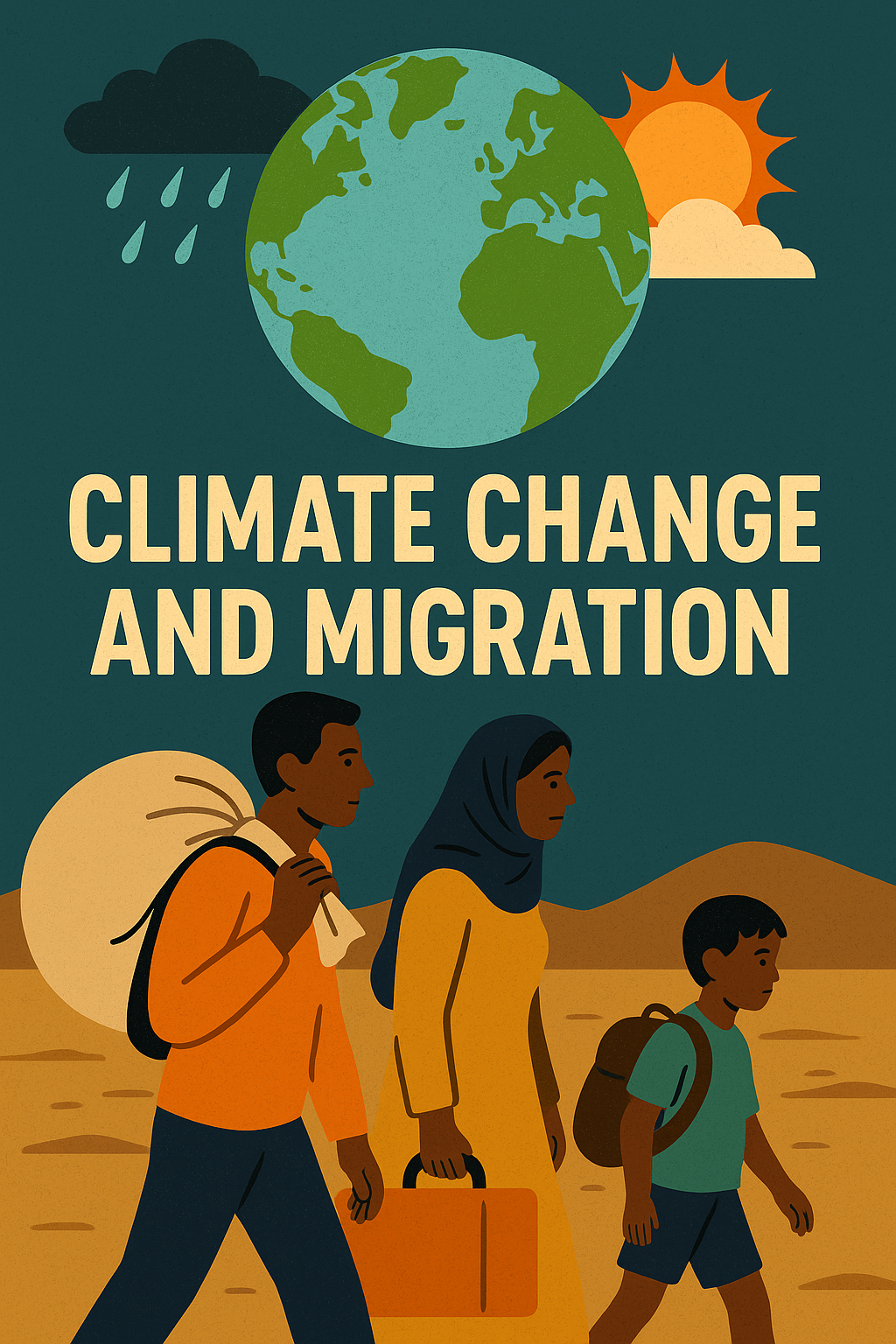
    The 1951 Refugee Convention doesn’t recognize climate-induced displacement.

    Many environmental laws lack enforcement power.

    Access to legal aid remains limited for vulnerable populations.

    So, how can legal systems drive more equitable climate action?

    Expand refugee protections to include climate migrants.

    Mandate enforceable national climate adaptation plans.

    Increase climate finance and legal support for community-led advocacy.

    Promote inclusive policymaking, where marginalized voices shape environmental decisions.

    At PROSDOMA, we believe justice and sustainability go hand in hand. Whether it’s defending rural livelihoods in Africa or supporting migrants in Canada, we advocate for a world where law serves the planet and its people equitably.

    Join Us: https://old.prosdoma.org/

    by E.D.

    Source:

    Ahmed, M. & Uddin, M.J. (2025). Environmental Justice and the Role of Legal Advocacy in Addressing Climate Change. Journal of Humanities and Social Sciences Studies, 7(4), 45–64. https://lnkd.in/dBv3kzge

    Can Education Save the Environment? A New Look at What Works in Conservation

    According to a powerful systematic review by Ardoin et al. (2020), environmental education (EE) when designed intentionally can do much more than raise awareness. It can lead to measurable conservation outcomes.

    In a review of 105 studies, researchers found that while most EE programs increase knowledge and attitudes, a growing number also lead to:

    Observed behavior change (e.g. reduced water/pesticide use)

    Environmental actions (e.g. reforestation, cleanup efforts)

    Community capacity-building (e.g. local conservation groups)

    Ecological improvements (e.g. water quality, biodiversity gains)

    So, what makes environmental education effective for conservation?

    Local focus :

    Grounding programs in local issues enables measurable impact.

    Cross-sector collaboration:

    Partnering with scientists, NGOs, and community leaders amplifies success.

    Action-oriented learning:

    Hands-on projects like habitat restoration lead to lasting behavior shifts.

    Rigorous evaluation:

    Programs with clear goals and strong reporting are more likely to show tangible outcomes.

    At PROSDOMA, we believe environmental education is a catalyst for both social and ecological transformation. Whether it’s empowering rural communities in Africa or newcomers in Canada, our work connects knowledge with action, ensuring education doesn’t stop at awareness, but becomes a tool for real change.

    Join Us: https://old.prosdoma.org/

    by E.D.

    Source:

    Ardoin, N.M. et al. (2020). Environmental education outcomes for conservation: A systematic review. Biological Conservation, 241, 108224

    Why Rural Development Is the Backbone of Africa’s Agricultural Future

    In Africa, 70% of the labor force is engaged in agriculture, yet many rural communities remain underdeveloped and underserved.

    Agriculture is the main source of income for 90% of the rural population — and yet these regions often lack infrastructure, funding, and modern tools.

    The neglect of agriculture has led to a mass exodus from rural to urban areas, leaving villages depopulated and unattractive for investment.

    Sustainable rural development isn’t just about farming — it’s about health, education, roads, energy access, women’s empowerment, and community leadership.

    An integrated rural development model — linking agriculture with infrastructure, education, and health — is key to long-term resilience.

    So, what must be done for the future of agriculture in Africa?

    Invest in rural infrastructure (roads, water, electricity) to increase accessibility and reduce rural–urban migration.

    Support smallholder farmers with access to land, funding, and training in modern, sustainable techniques.

    Strengthen local institutions and cooperatives to manage resources, reduce inequalities, and build resilience.

    Implement integrated rural development approaches that combine agriculture, healthcare, education, and digital access.

    That’s why organizations like PROSDOMA matter. Their commitment to both newcomer integration in Canada and sustainable agriculture in Africa makes them a bridge between global communities and local resilience.

    Join Us: https://old.prosdoma.org/

    by E.D.

    Source:

    Nchuchuwe, F.F. & Adejuwon, K.D. (2012). The Challenges of Agriculture and Rural Development in Africa: The Case of Nigeria. International Journal of Academic Research in Progressive Education and Development.

  • Climate Change & Sustainable Development: The Future We Can Build Together

    Climate Change & Sustainable Development: The Future We Can Build Together

    Did you know that climate change and sustainable development are more connected than we think?   Both need to be tackled together to ensure a resilient future for all. Here’s why:

    ⚖️ Interconnected Challenges

    Climate change is not just an environmental issue—it’s linked to socio-economic development. The choices we make today about technology, policy, and development paths impact our ability to manage climate change.   Addressing both issues together can create new opportunities for a sustainable world.

      Adaptation: A Key Strategy

    We can reduce climate change risks and improve equity by integrating climate concerns into national and international development plans. By doing so, we protect vulnerable communities and ensure long-term development goals are met. 

      The Role of Sustainable Practices

    At PROSDOMA, we believe in combining efforts for environmental sustainability and community development. Whether it’s supporting sustainable farming in Africa or promoting green initiatives for newcomers in Canada, we are committed to building a better, more sustainable future for everyone. 

    Let’s take action today for a thriving tomorrow! Together, we can reduce climate risks, promote sustainable practices, and build resilient communities. 

    #ClimateAction #SustainableDevelopment #EnvironmentalSustainability #GreenFuture #ClimateChange #SocialImpact #GlobalGoals #PROSDOMA #EcoFriendly #CommunityBuilding

    Source: https://www.sciencedirect.com/science/article/pii/S1469306203001013

    AC

  • Why Volunteering Matters: Empower Your Community, Society, and Yourself!

    Why Volunteering Matters: Empower Your Community, Society, and Yourself!

      Why Volunteering Matters: Empower Your Community, Society, and Yourself! 

    Volunteering is a powerful way to give back and make a difference! Here’s why it matters: 

    ✨ For the Community

    Volunteering helps build strong, connected communities. It supports vital services like delivering meals  , organizing events  , and helping those in need. Without volunteers, many organizations couldn’t function!

      For Society

    Volunteers are the backbone of charities and nonprofits. They raise awareness, fundraise  , and support critical initiatives like disaster response  ️ or environmental protection  . Volunteers are the true changemakers!

      For You

    Volunteering isn’t just about giving—it’s about growing too! It boosts mental & physical health   , builds new skills  ️, and creates lasting friendships  . Plus, it’s a great way to expand your horizons and gain experience for your career  !

    At PROSDOMA, we’re all about making an impact, whether by helping newcomers settle in Alberta or promoting sustainable farming in Africa  . Join us to contribute to positive change!

    Ready to make a difference? Together, we can create a more resilient and sustainable future  ✨

    #VolunteerPower #CommunityFirst #SocialImpact #GiveBack #MakeADifference #SustainableFuture #PROSDOMA #Nonprofits #VolunteerToday #BetterTogether

    Source: https://www.rosterfy.com/blog/why-is-volunteering-important

    AC

  •  Migrants are not just moving — they’re building, contributing, and strengthening our communities. 

     Migrants are not just moving — they’re building, contributing, and strengthening our communities. 

    Whether it’s through hard work, creativity, or sharing knowledge, migrants play a vital role in making our societies more dynamic, inclusive, and prosperous. 

    Here are the Top 5 ways migrants help local communities thrive:

    ✅ Filling labor gaps in healthcare, agriculture, and essential services 
    ✅ Creating jobs by launching small businesses and boosting the local economy 
    ✅ Revitalizing towns and cities by reversing population decline and increasing school enrollment 
    ✅ Enriching our cultural landscape with diverse traditions, cuisines, and languages 
    ✅ Sharing skills and innovation, especially in science, tech, and education 

    When we support migrants, we invest in stronger, more resilient communities for all. 
    Let’s celebrate diversity and recognize the value of every person, no matter where they come from. 

     ‍  Let’s continue to stand up for inclusion, equality, and opportunity. 

      Share this to spread awareness and spark change!

  • Moving to a new country is tough — but no one should do it alone.

    Moving to a new country is tough — but no one should do it alone.

    At PROSDOMA, we stand with newcomers in Alberta, offering personalized support through every step of their journey — from navigating asylum processes to learning basic computer skills.

    Here are 5 common struggles newcomers face — and how our team helps them overcome each one. 

    We believe in inclusion, empowerment, and sustainability. Whether it’s assisting with permanent residency or linking individuals to food banks, PROSDOMA is here to help every newcomer thrive. 

    5.png
    6.png
    7.png
  • Canada+Cameroon: One Mission

    Canada+Cameroon: One Mission

    From helping newcomers settle into life in Alberta to training farmers in sustainable practices in rural Cameroon, PROSDOMA is building bridges that empower lives across continents.

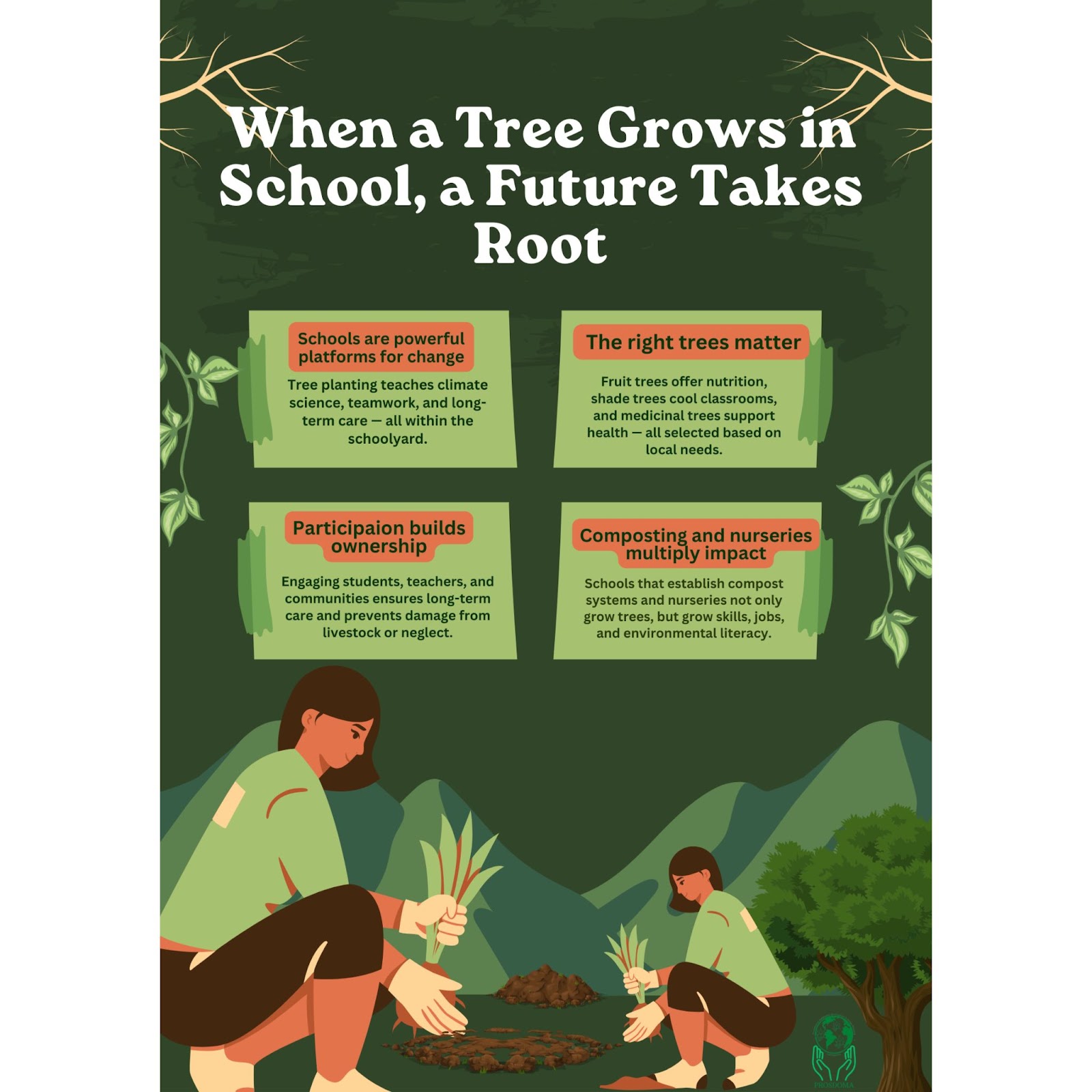
    Whether it is planting trees , providing food security or connecting families to shelters and jobs, we believe in a future where everyone thrives.

    Join us in creating a sustainable future together.

    #PROSDOMA#MigrationSupport#SustainableDevelopment#CanadaCameroon

  • CLimate action: A Key to Sustainable Development

    CLimate action: A Key to Sustainable Development

    Did you know that climate action is not only about reducing carbon emissions but also about strengthening communities and improving lives? Climate change affects every aspect of our lives, and achieving Sustainable Development Goal (SDG) 13—Climate Action—is crucial for a healthier, more sustainable world. 

    Here’s why climate action matters:

    1. Climate change affects everyone, especially marginalized communities. SDG13 calls for urgent global efforts to combat the impacts of climate change and create a climate-resilient world for all.

    2. Climate action doesn’t stand alone. It impacts other SDGs like poverty reduction (SDG1), food security (SDG2), and health (SDG3). By integrating climate action with these goals, we can create a more sustainable, resilient future for all.

    3. To make a real difference, we must empower communities to make informed decisions, reduce risks, and adapt to climate change. Together, we can build strong, climate-resilient communities that thrive amidst challenges.

    At PROSDOMA, we are committed to advancing climate awareness and sustainability. By helping newcomers settle in Alberta and advocating for sustainable farming practices in Africa, we’re not just supporting individuals—we’re contributing to a healthier planet. 

    Join us in taking action for a sustainable future! Whether it’s reducing your carbon footprint, supporting climate policies, or engaging in local sustainability efforts, every step counts. 

    Together, we can create a world that is both socially and environmentally sustainable.

    Source: https://www.nature.com/articles/s41598-023-47746-w

    #ClimateAction #SustainableDevelopment #SDG13 #EnvironmentalSustainability #ClimateJustice #GreenFuture #RenewableEnergy #ClimateResilience #GlobalGoals #ProsdomaImpact

    AC

  • Shrink your Carbon footprint-One step at a time.

    Shrink your Carbon footprint-One step at a time.

    Did you know?

    Canada has one of the highest carbon footprints per person in the world — at 15.5 tonnes annually, it’s over double the average in Europe, and three times the global average. In 2023, Canadians had the 2nd highest CO₂ emissions per person among all G20 countries.

      The good news: Every action counts. Whether you’re biking to work or choosing eco-conscious brands, small lifestyle changes can reduce your environmental impact and move us toward a more sustainable future.

    Here’s how you can help:

    ✅ Support sustainable businesses

    ✅ Walk, bike, or use public transit

    ✅ Turn down the heating by just 1°

    Alberta is working toward carbon neutrality by 2050, investing in innovation and helping industries cut emissions — and we all have a part to play.

      Learn more and join us: prosdoma.org

      Sources: alberta.ca, CTV News, Emission Index, Statista

    #CarbonFootprint #ClimateAction #Sustainablility #PROSDOMA #CarbonNeutral2050

    SH

  • PROSDOMA SOCIAL MEDIA

    PROSDOMA SOCIAL MEDIA

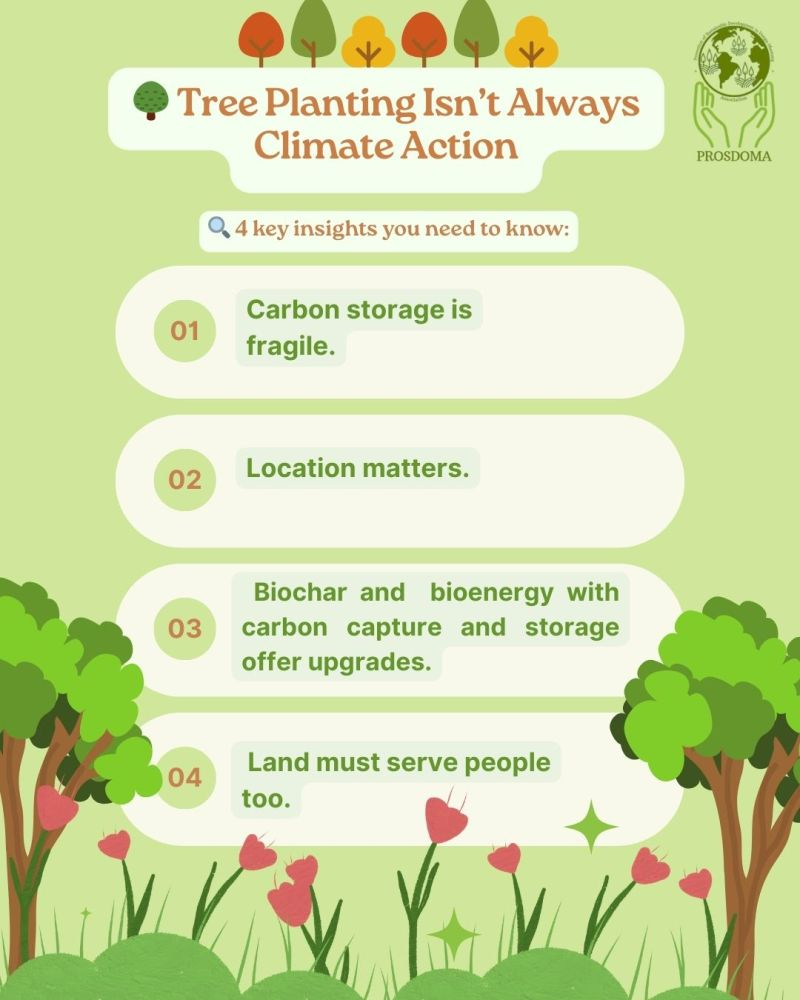
    Tree Planting Isn’t Always Climate Action — Unless We Do It Right

    Planting trees is often praised as a natural climate solution. But without strategy, science, and sustainability, it can fail — or even backfire.

    Recent research shows that while afforestation and reforestation can remove up to 3.6 gigatons of CO₂ per year, poorly managed projects risk reversing their impact through wildfires, droughts, and premature harvesting (Osman et al., 2023).

    4 key insights you need to know:

    1️⃣ Carbon storage is fragile:

    Unlike underground storage, forest carbon is vulnerable to both natural and human threats. Long-term permanence requires protection and monitoring.

    2️⃣ Location matters:

    Tree planting in high-latitude regions may increase local warming due to lower albedo. Tropical regions offer greater CO₂ removal potential — if land use is managed equitably.

    3️⃣ Biochar and  bioenergy with carbon capture and storage offer upgrades:

    By integrating forestation with biochar production or bioenergy with carbon capture and storage(BECCS), we can lock carbon away for centuries — far beyond a tree’s lifespan.

    4️⃣ Land must serve people too:

    Tree planting should never displace food systems or local communities. Sustainable land use must balance carbon goals with human needs.

    At PROSDOMA, we combine reforestation with community equity. Whether planting trees in Cameroon or educating migrants in Canada about climate resilience, we know real solutions root deeply in justice.

    Join us: prosdoma.org

    by E.D.

    Source: Osman, A. I., Fawzy, S., Lichtfouse, E., & Rooney, D. W. (2023). Planting trees to combat global warming. Environmental Chemistry Letters, 21, 3041–3044. https://lnkd.in/dY_uh3UQ

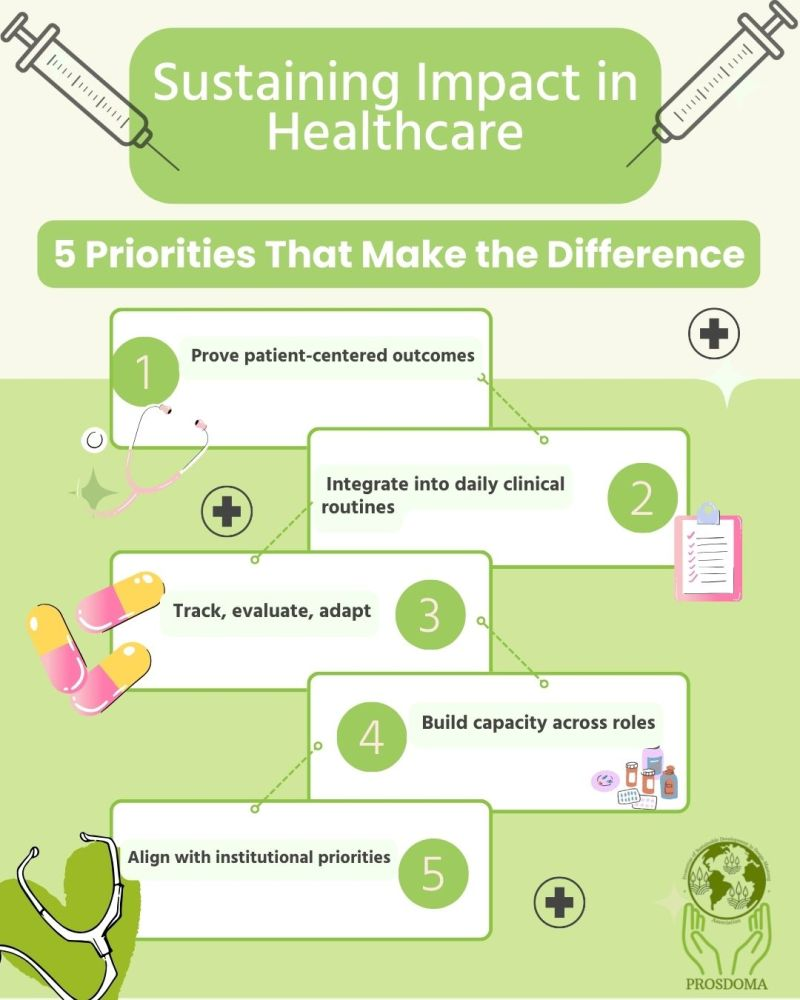
    What Makes Healthcare Truly Sustainable? 5 Evidence-Based Priorities

    In healthcare, sustainability isn’t just about keeping a project running — it’s about preserving impact where it matters most: patients, professionals, and systems.

    Yet according to Lennox et al. (2018), many improvement initiatives in healthcare settings collapse over time, wasting precious time, money, and trust.

    So, how do we build healthcare improvements that endure?

    Based on a systematic review of 62 healthcare-specific sustainability frameworks, here are 5 crucial priorities:

    1️⃣ Prove patient-centered outcomes:

    Interventions must consistently demonstrate improved health results, clinical relevance, and cost-effectiveness to justify continuation.

    2️⃣ Integrate into daily clinical routines:

    Sustainable healthcare initiatives are those that embed smoothly into existing systems, protocols, and professional practice — not remain siloed or optional.

    3️⃣ Track, evaluate, adapt:

    Healthcare systems must include mechanisms to monitor clinical effectiveness over time and adjust based on feedback, evidence, or shifting needs.

    4️⃣ Build capacity across roles:

    From frontline nurses to system administrators, sustainability depends on equipping staff with continuous training and decision-making power.

    5️⃣ Align with institutional priorities:

    Programs that reflect organisational goals (e.g., reducing readmissions, improving care coordination) are more likely to receive long-term support.

    Thus, sustainable healthcare means lasting impact — not short-term projects.

    At PROSDOMA, we support patient-centered, evidence-based systems that endure.

    Because care must continue, not collapse.

    Learn more: prosdoma.org

    by E.D.

    Source: Lennox, L., Maher, L., & Reed, J. (2018). “Navigating the sustainability landscape: a systematic review of sustainability approaches in healthcare.” Implementation Science, 13:27. 

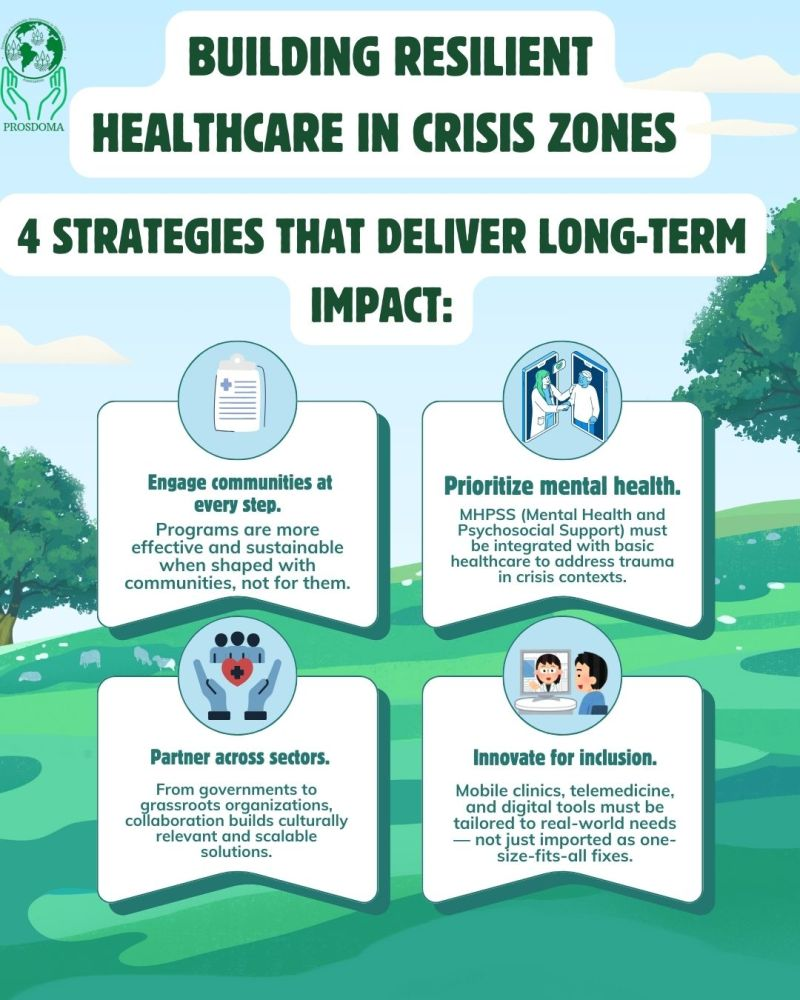
    Sustainability in Conflict Zones: What Real Resilience Looks Like

    In crisis-affected regions, health isn’t just about hospitals — it’s about systems that protect dignity, promote equity, and grow from the ground up.

    According to Ugwu et al. (2025), aligning healthcare interventions with the Sustainable Development Goals (SDGs) is critical to building long-term resilience and peace.

    Key strategies that actually work:

    1️⃣ Engage communities at every step:

    Programs are more effective and sustainable when shaped with communities, not for them.

    2️⃣ Prioritize mental health:

    MHPSS (Mental Health and Psychosocial Support) must be integrated with basic healthcare to address trauma in crisis contexts.

    3️⃣ Partner across sectors:

    From governments to grassroots organizations, collaboration builds culturally relevant and scalable solutions.

    4️⃣ Innovate for inclusion:

    Mobile clinics, telemedicine, and digital tools must be tailored to real-world needs — not just imported as one-size-fits-all fixes.

    These lessons align with SDGs 3, 16, and 17 — and are crucial for creating systems that survive disaster and sustain justice.

    That’s exactly why we admire PROSDOMA.

    Their work — from reforestation in Cameroon to climate education in Canada — doesn’t just tick boxes. It brings global strategies to life by rooting them in equity, community voice, and long-term impact.

    Learn more or connect: prosdoma.org

    by E.D.

    Source: Ugwu, C. N. et al. (2025). “Sustainable Development Goals and Resilient Healthcare Systems.” Medicine, 104(7):e41535.

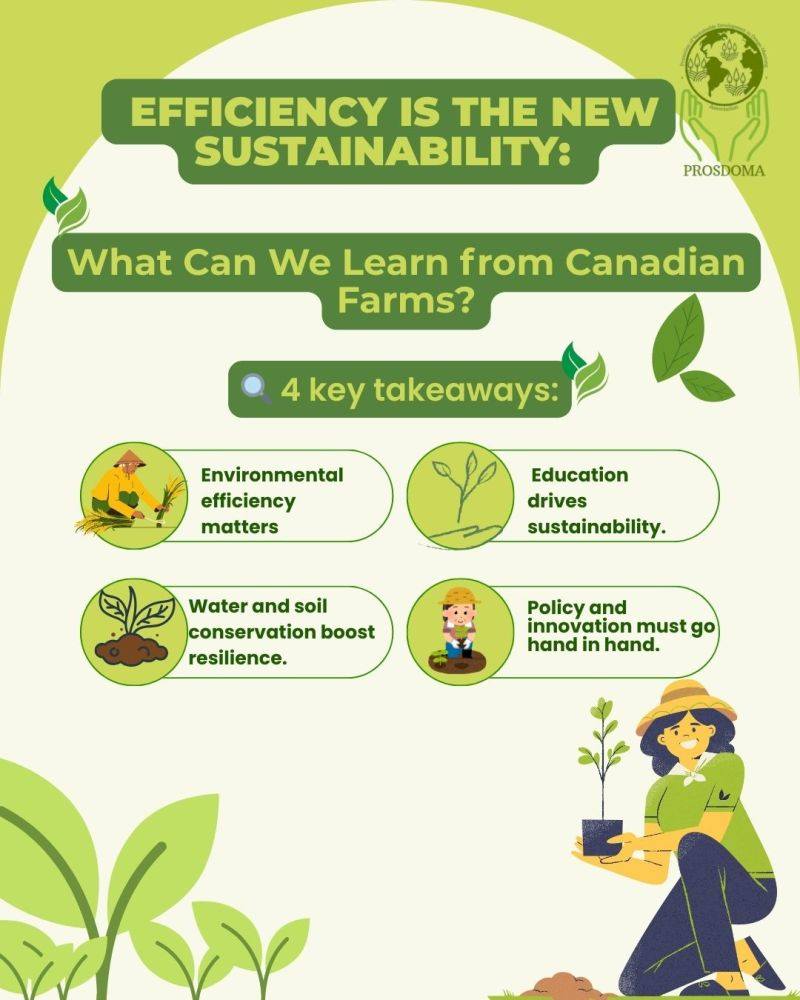
    Efficiency Is the New Sustainability: What We Can Learn from Canadian Farms:

    In a changing climate, sustainability in agriculture means more than going organic — it means being efficient. But efficiency isn’t just about yields; it’s about using land, water, labor, and energy in ways that serve both people and the planet.

    Recent research from Western Newfoundland reveals that while many farms are technically efficient, they still struggle with environmental, cost, and scale inefficiencies — especially due to overuse of fertilizers, under-optimized land use, and lack of climate-resilient infrastructure (Islam et al., 2024).

    4 key takeaways:

    1️⃣ Environmental efficiency matters:

    Producing more while polluting less is the heart of sustainable agriculture. Some farms achieved this through composting, no-dig methods, and integrated systems.

    2️⃣ Education drives sustainability:

    Farms managed by educated producers showed significantly higher environmental scores — proof that knowledge is power in ecological stewardship.

    3️⃣ Water and soil conservation boost resilience:

    Techniques like rainwater harvesting and permaculture increased farm efficiency and climate resilience in short growing seasons.

    4️⃣ Policy and innovation must go hand in hand:

    Government support — through Living Labs and training — plays a vital role in scaling sustainable practices.

    At PROSDOMA, we believe sustainability begins with the wise use of resources and grows with local empowerment. Whether it’s climate-resilient farming in Africa or digital education in Canada, we turn knowledge into impact.

    Learn more: prosdoma.org

    by E.D.

    Source: Islam, K., Sabau, G., Dawson, J., Cheema, M., & Daraio, J. (2024). Evaluating agricultural sustainability in Newfoundland, Canada: Insights from a Data Envelopment Analysis (DEA) approach. SSRN.

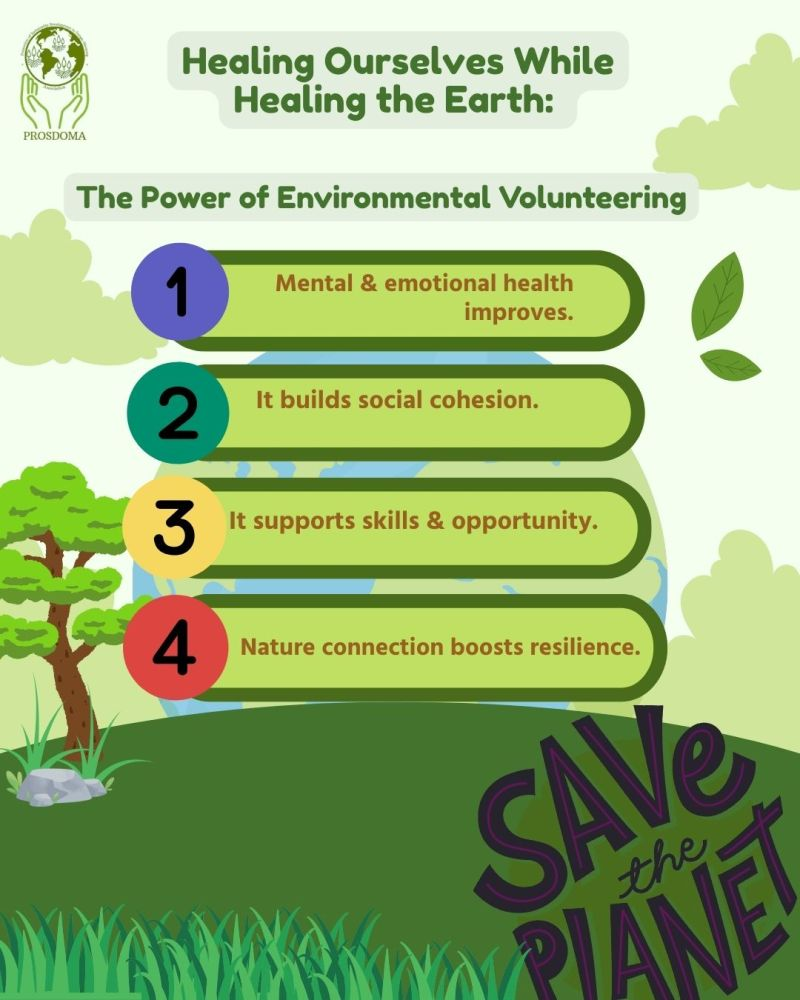
    Environmental Volunteering: Healing People While Restoring the Planet

    In the face of rising eco-anxiety, social isolation, and climate-related health threats, one powerful yet underutilized solution stands out: environmental volunteering.

    Recent research shows that volunteering in nature benefits not only the planet, but also the mind, body, and spirit. According to Patrick et al. (2022), environmental volunteers experience a wide range of co-benefits, including improved mental health, greater social inclusion, and a deeper connection to nature.

    Here are 4 key takeaways:

    1️⃣ Mental & emotional health improves:

    Volunteers report enhanced mood, reduced anxiety, and a sense of purpose — especially among those with prior mental health challenges.

    2️⃣ It builds social cohesion:

    Environmental activities foster friendships, civic pride, and cultural inclusion — creating shared spaces where all backgrounds feel welcome.

    3️⃣ It supports skills & opportunity:

    Many gain new knowledge, language abilities, and even employment skills — especially valuable for students and newcomers.

    4️⃣ Nature connection boosts resilience:

    Regular contact with nature cultivates environmental stewardship and well-being, reinforcing both planetary and personal health.

    At PROSDOMA, we believe in the power of nature-based solutions. Whether organizing community tree-planting in Africa or supporting eco-literacy for newcomers in Canada, we empower people and ecosystems together.

    Learn more or get involved: prosdoma.org/

    by E.D.

    Source: Patrick, R., Henderson-Wilson, C., & Ebden, M. (2022). Exploring the co-benefits of environmental volunteering for human and planetary health promotion. Health Promotion Journal of Australia, 33(1), 57–67.