L’Afrique contribue le moins aux émissions mondiales de gaz à effet de serre, et pourtant elle est confrontée à certains des problèmes les plus graves. les conséquences les plus graves du changement climatique. De la montée des eaux et des sécheresses prolongées à l’insécurité alimentaire et à l’instabilité politique, le continent est en première ligne d’une crise qu’il n’a pas provoquée.
Des recherches récentes montrent que le changement climatique compromet déjà les perspectives de développement de l’Afrique, accroît la pauvreté et exerce une pression énorme sur l’agriculture, les systèmes d’approvisionnement en eau et la sécurité humaine (Tadesse, 2010).
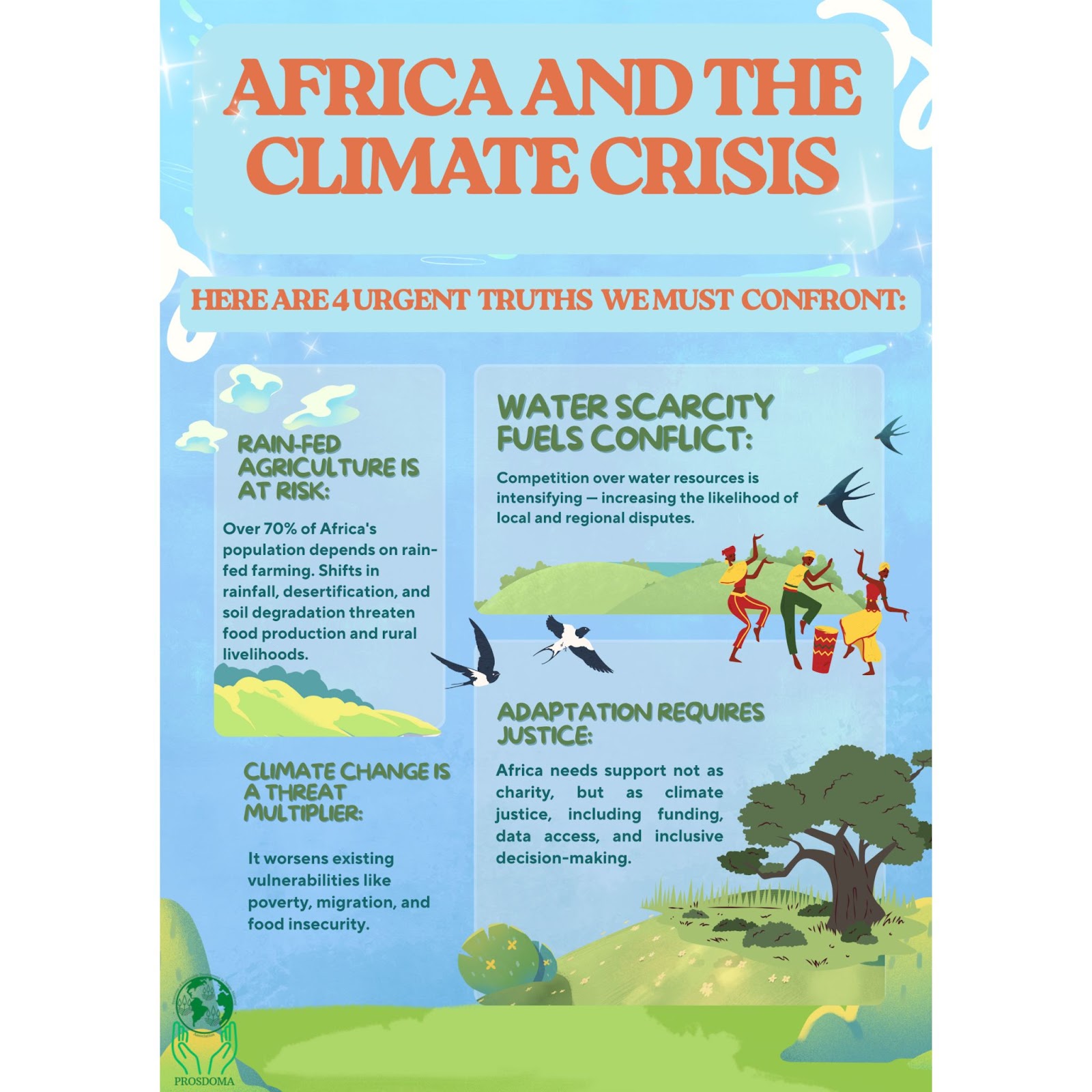
Voici quatre vérités urgentes auxquelles nous devons faire face :
1️⃣ L’agriculture pluviale est menacée.
Plus de 70 % de la population africaine dépend de l’agriculture pluviale. Les variations des précipitations, la désertification et la dégradation des sols menacent la production alimentaire et les moyens de subsistance ruraux.
2️⃣ La rareté de l’eau alimente les conflits.
La concurrence pour les ressources en eau s’intensifie, augmentant ainsi la probabilité de conflits locaux et régionaux.
3️⃣ Le changement climatique aggrave les menaces.
Elle aggrave les vulnérabilités existantes comme la pauvreté, les migrations et l’insécurité alimentaire.
4️⃣ L’adaptation exige de la justice.
L’Afrique a besoin de soutien non pas au titre de la charité, mais au titre de la justice climatique – notamment en matière de financement, d’accès aux données et de prise de décision inclusive.
Alors, que peut-on faire ?
✅ Accroître le financement international de la lutte contre les changements climatiques destiné aux solutions menées par l’Afrique
✅ Renforcer les systèmes d’alerte précoce et les capacités d’adaptation locales
✅ Investir dans l’agriculture durable, l’accès à l’eau et l’innovation menée par les jeunes
✅ Placer les voix africaines au centre des négociations climatiques mondiales
À PROSDOMA, nous mettons ces solutions en pratique — du soutien à l’agroécologie et à l’éducation sur l’eau en Afrique de l’Ouest à l’éducation climatique et au soutien à l’intégration des migrants au Canada.
Rejoignez la mission : prosdoma.org/
Par ED
Source: Tadesse, D. (2010). L’impact du changement climatique en Afrique. Document ISS 220. Institut d’études de sécurité.
https://www.issafrica.org
#JusticeClimatique #CriseClimatiqueAfrique #Prosdoma #DéveloppementDurable #SécuritéEau #AdaptationMaintenant #ActionClimatique #SécuritéAlimentaire #ÉquitéEnvironnementale #JeunessePourLeClimat
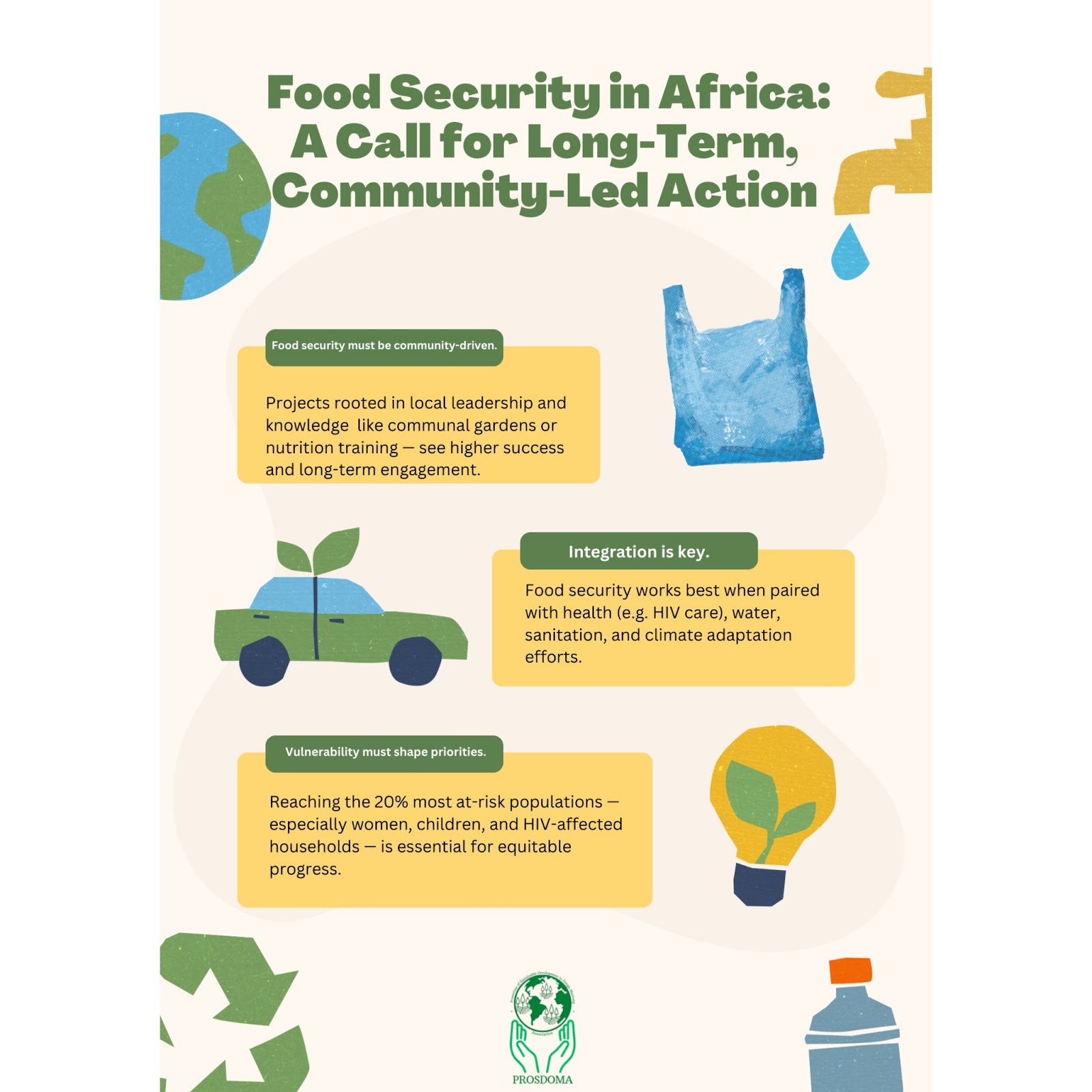
La sécurité alimentaire en Afrique : un appel à une action communautaire à long terme
Le changement climatique, le VIH/sida, la pression démographique et les catastrophes récurrentes exposent des millions d’Africains à une insécurité alimentaire chronique. Or, les solutions à court terme ne sauraient résoudre le problème de la faim à long terme.
Données récentes du programme Une étude de la Fédération internationale (2008) montre que des approches holistiques et intégrées sont essentielles pour instaurer une sécurité alimentaire durable. Une stratégie quinquennale impliquant 15 Sociétés nationales africaines, de l’Ouganda au Swaziland, a mis l’accent sur l’action communautaire, la coordination multisectorielle et un investissement soutenu.
4 points clés à retenir :
1️⃣ La sécurité alimentaire doit être une responsabilité communautaire.
Les projets ancrés dans le leadership et les connaissances locales — comme les jardins communautaires ou les formations en nutrition — connaissent un plus grand succès et un engagement à long terme.
2️⃣ L’intégration est essentielle.
La sécurité alimentaire est plus efficace lorsqu’elle est associée aux efforts de santé (par exemple, la prise en charge du VIH), d’accès à l’eau, d’assainissement et d’adaptation au changement climatique.
3️⃣ La vulnérabilité doit définir les priorités.
Il est essentiel, pour un progrès équitable, d’atteindre les 20 % de la population les plus à risque, notamment les femmes, les enfants et les ménages touchés par le VIH.
Que peut-on faire ?
✅ Financer les plans nationaux de sécurité alimentaire à long terme
✅ Soutenir les cadres pilotés par les Africains et bénéficiant d’une appropriation locale
✅ Associer les stratégies en matière d’alimentation, de santé et de préparation aux catastrophes
✅ Donner aux institutions locales les moyens de diriger
À PROSDOMANous appliquons ces principes au quotidien, de l’agriculture régénératrice au Cameroun à l’éducation à la justice alimentaire pour les nouveaux arrivants au Canada. Nous savons que La résilience se développe à partir des racines..
Pour en savoir plus ou devenir partenaire : prosdoma.org/
Par ED
Source: Fédération internationale des Sociétés de la Croix-Rouge et du Croissant-Rouge. (2008). La sécurité alimentaire en Afrique. Appel n° MAA00023. https://www.ifrc.org/docs/appeals/annual08/MAA0002308pu1f.pdf
#SécuritéAlimentaire #DéveloppementAfricain #JusticeClimatique #VIHEtFaim #ApprocheIntégrée #Prosdoma #RésilienceCommunautaire #Agroécologie #EauAssainissementSanté #ImpactÀLongTerme #PréparationAuxCatastrophes
Le développement durable en Afrique : au-delà des terres, au-delà des rendements
L’Afrique est riche en ressources naturelles, en diversité culturelle et en potentiel écologique. Pourtant, la dégradation de l’environnement, les inégalités sociales et les impacts du changement climatique continuent de limiter la capacité du continent à se développer de manière équitable et durable.
Recherches récentes souligne que si la modernisation agricole augmente la production, elle exacerbe également la dégradation des terres, le stress hydrique et l’exclusion sociale, en particulier parmi les pauvres sans terre (Whitfield, 2016).
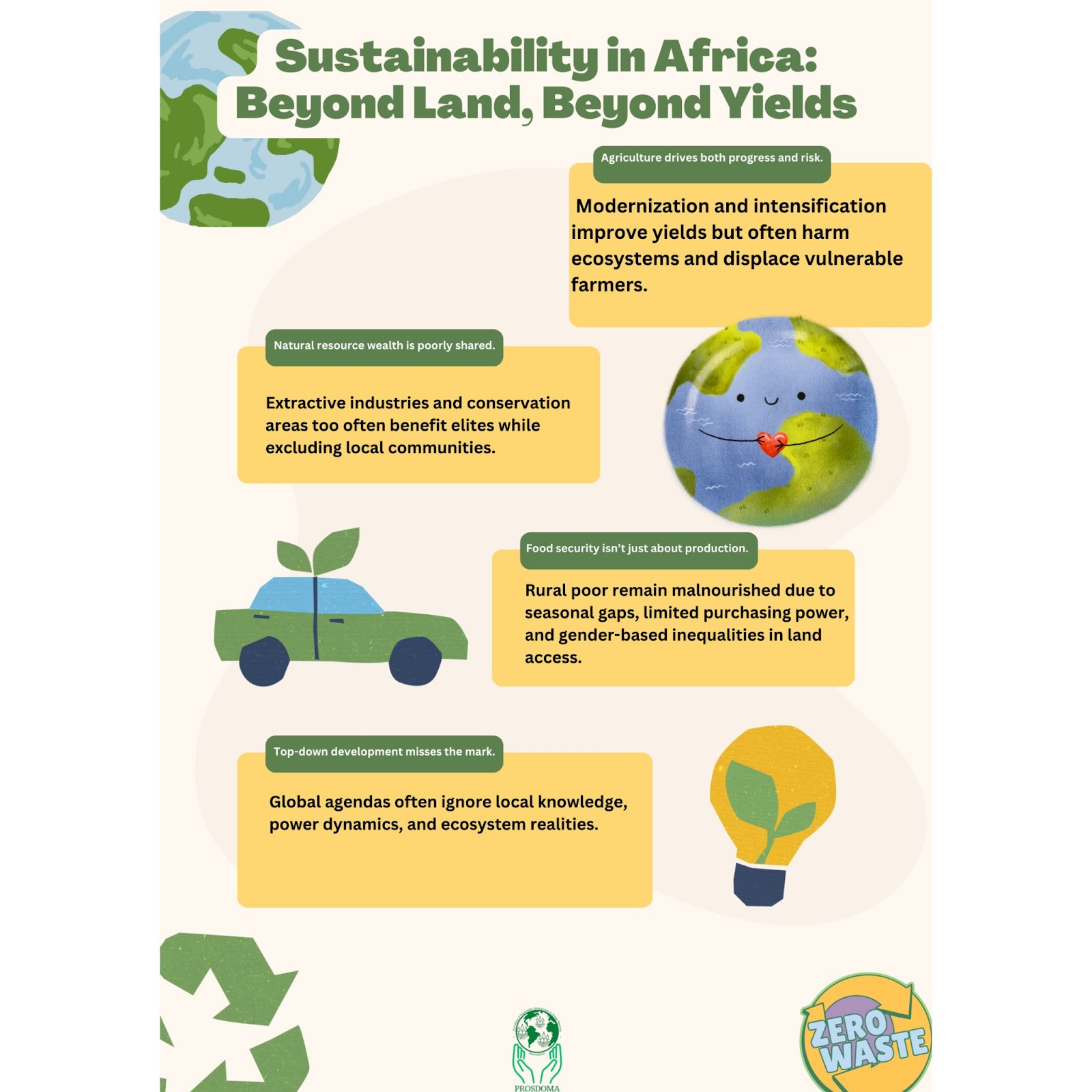
4 points clés à retenir :
1️⃣ L’agriculture est à la fois un moteur de progrès et de risques.
La modernisation et l’intensification améliorent les rendements, mais nuisent souvent aux écosystèmes et déplacent les agriculteurs vulnérables.
2️⃣ La richesse en ressources naturelles est mal partagée.
Trop souvent, les industries extractives et les zones de conservation profitent aux élites tout en excluant les communautés locales.
3️⃣ La sécurité alimentaire ne se résume pas à la production.
Les populations rurales pauvres restent malnutries en raison des variations saisonnières de l’alimentation, d’un pouvoir d’achat limité et des inégalités d’accès à la terre fondées sur le sexe.
4️⃣ Le développement vertical ne donne pas satisfaction.
Les agendas mondiaux ignorent souvent les connaissances locales, les dynamiques de pouvoir et les réalités des écosystèmes.
Que peut-on faire ?
✅ Soutenir l’agroécologie et les droits fonciers des petits exploitants
✅ Intégrer la planification alimentaire, énergétique et hydrique
✅ Financer la conservation menée par les communautés, et pas seulement les crédits carbone
✅ Veiller à ce que les femmes et les jeunes pilotent les transitions vers la durabilité
À PROSDOMANous transformons ces idées en actions. Qu’il s’agisse de restaurer des terres en Afrique de l’Ouest ou de promouvoir un accès équitable à l’alimentation et aux ressources au Canada, nous ancrons la durabilité dans la justice, et non pas seulement dans des indicateurs.
Apprendre encore plus: prosdoma.org/
Par ED
Source: Whitfield, S. (2016). Durabilité environnementale et sociale en Afrique. Document de référence ISPI n° 2.https://www.ispionline.it
#DurabilitéEnAfrique #Agroécologie #JusticeClimatique #SécuritéAlimentaire #ÉquitéEnRessourcesNaturelles #Prosdoma #GouvernanceEnvironnementale #DéveloppementAfricain #DroitsTerritorial #DéveloppementCommunautaire
L’eau intelligente, un avenir plus intelligent : comment l’IA transforme la gestion de l’eau
Les services de distribution d’eau du monde entier sont confrontés à une double crise : le vieillissement des infrastructures et l’incertitude climatique croissante. Mais l’intelligence artificielle (IA) offre une solution prometteuse si elle est utilisée de manière stratégique.
Des recherches récentes de la Banque asiatique de développement montrent l’IA peut améliorer considérablement la détection des fuites, la prévision de la demande et l’efficacité énergétique, permettant ainsi aux services publics de réaliser des économies allant jusqu’à 11 % des coûts annuels tout en faisant progresser la résilience climatique et l’ODD 6 (ADB, 2020).
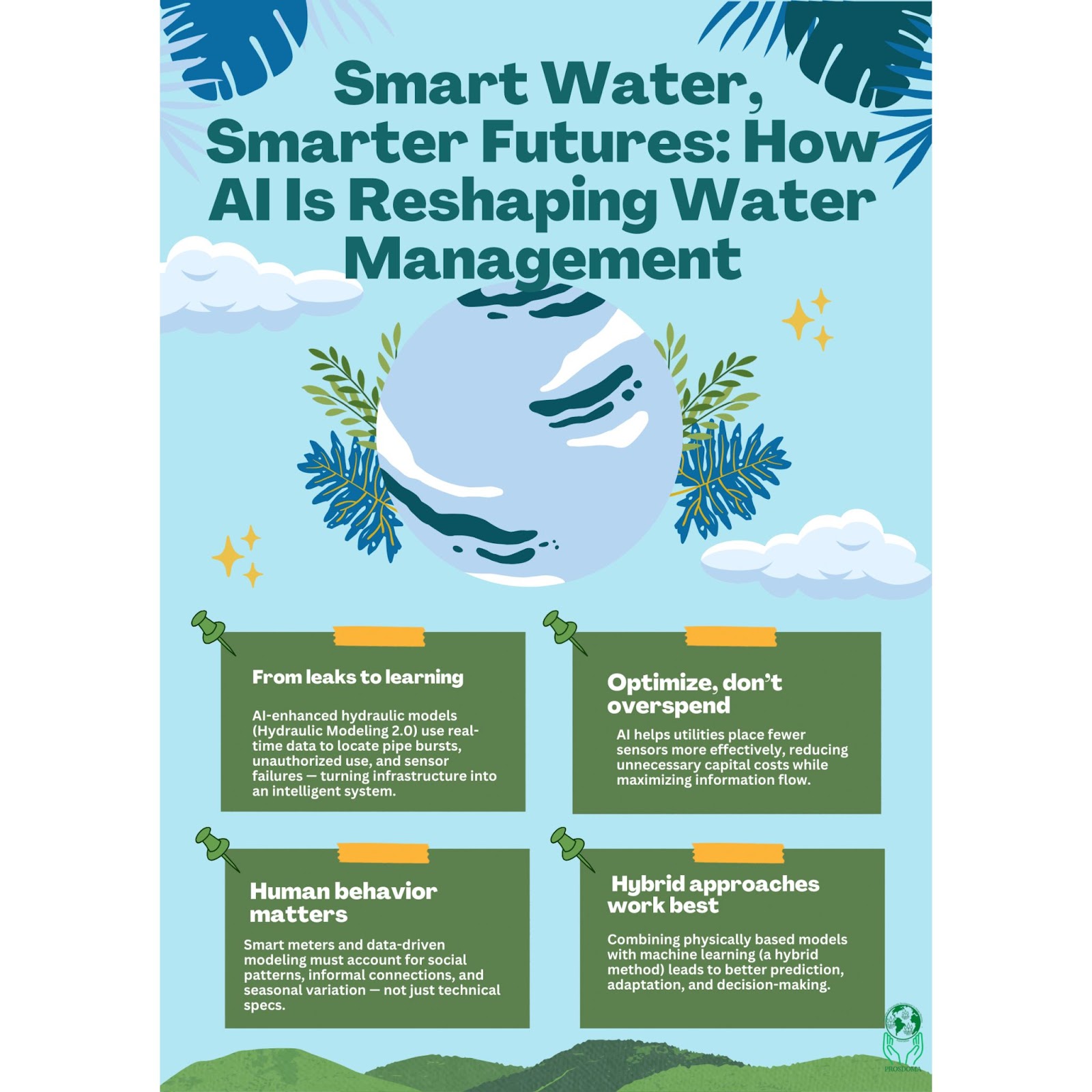
Voici 4 points clés à retenir :
1️⃣ Des fuites à l’apprentissage.
Les modèles hydrauliques améliorés par l’IA (Modélisation hydraulique 2.0) utilisent des données en temps réel pour localiser les ruptures de canalisations, les utilisations non autorisées et les défaillances de capteurs, transformant ainsi l’infrastructure en un système intelligent.
2️⃣ Optimisez, ne dépensez pas trop.
L’IA aide les services publics à déployer moins de capteurs, mais plus efficacement, réduisant ainsi les coûts d’investissement inutiles tout en maximisant le flux d’informations.
3️⃣ Le comportement humain compte.
Les compteurs intelligents et la modélisation basée sur les données doivent tenir compte des schémas sociaux, des liens informels et des variations saisonnières, et pas seulement des spécifications techniques.
4️⃣ Les approches hybrides sont les plus efficaces.
La combinaison de modèles physiques et d’apprentissage automatique (une méthode hybride) permet d’obtenir de meilleures prédictions, une meilleure adaptation et une meilleure prise de décision.
Que peut-on faire ?
✅ Investissez dans des programmes pilotes d’IA pour les services d’eau
✅ Promouvoir des systèmes TIC abordables pour les villes du Sud global
✅ Associer les outils numériques de gestion de l’eau à la confiance du public et à l’éthique
✅ Soutenir la formation et la gouvernance inclusive dans les infrastructures intelligentes
À PROSDOMANous défendons des solutions technologiques climatiques qui privilégient à la fois l’innovation et la justice. Qu’il s’agisse d’irrigation intelligente en Afrique ou de sensibilisation à l’eau pour les nouveaux arrivants au Canada, nous croyons que la technologie doit avant tout servir les personnes.
Rejoignez-nous : prosdoma.org/
Par ED
Source: Banque asiatique de développement (2020). Utilisation de l’intelligence artificielle pour les systèmes de gestion intelligente de l’eau (Note de la BAD n° 143). https://doi.org/10.22617/BRF200191-2
#EauIntelligente #IAAuServiceDuBien #GestionDeL’Eau #AdaptationAuClimatique #Prosdoma #InfrastructuresDurables #ModélisationHydraulique #ODD6 #TransformationNumérique #ÉquitéEnEau
Quand un arbre pousse à l’école, un avenir prend racine
Planter des arbres dans les écoles ne se contente pas d’embellir le paysage, cela favorise également la sensibilisation au climat, la sécurité alimentaire et la résilience communautaire.
De récents guides pédagogiques de Regreening Africa soulignent le rôle transformateur de la plantation d’arbres dans les écoles africaines. Ces programmes enseignent non seulement la responsabilité environnementale, mais offrent également de l’ombre, une alimentation adéquate, des moyens de subsistance et des opportunités d’apprentissage (Koech et al., 2022).
4 points clés à retenir :
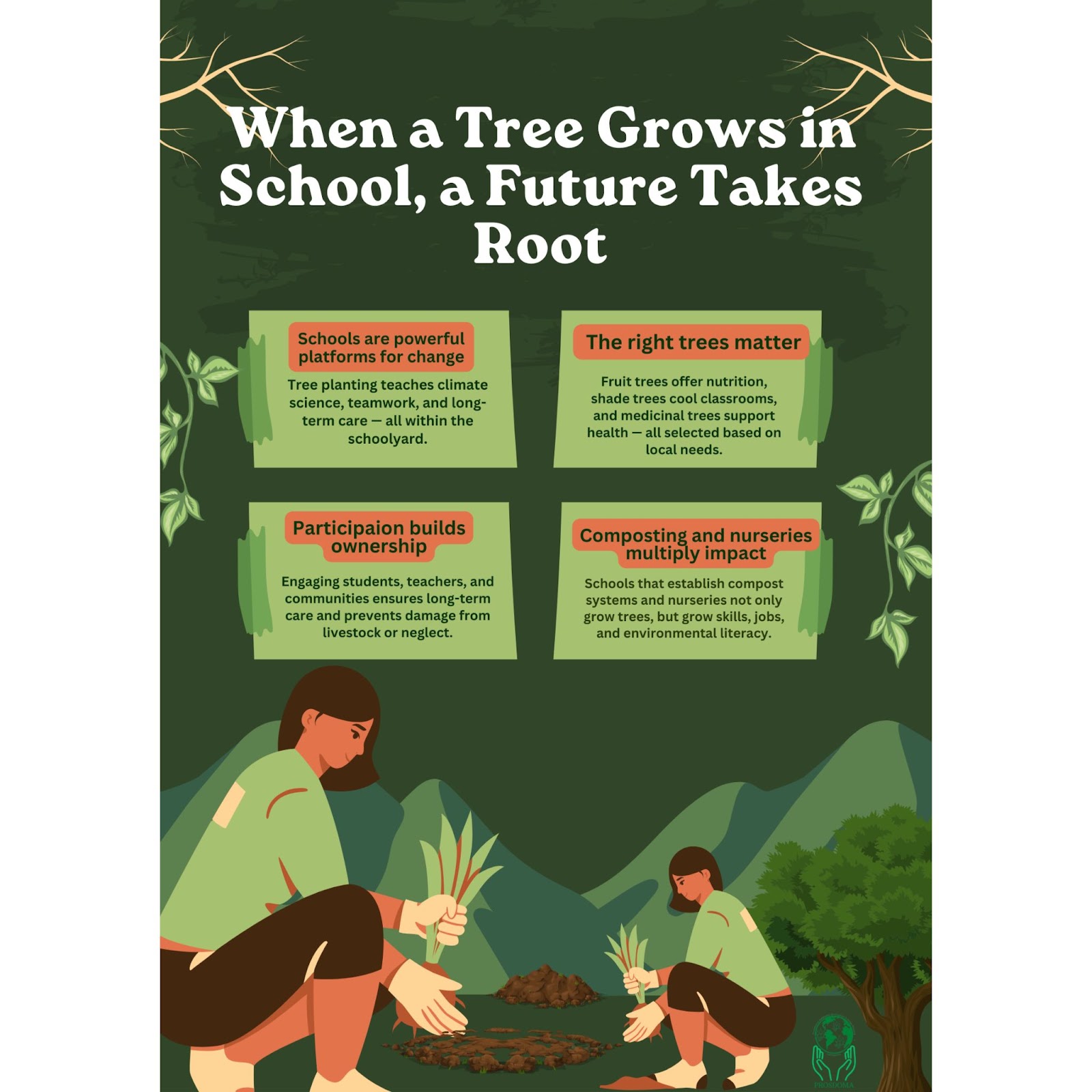
1️⃣ Les écoles sont de puissants vecteurs de changement.
Planter des arbres permet d’enseigner les sciences du climat, le travail d’équipe et les soins à long terme, le tout dans la cour de l’école.
2️⃣ Le choix des arbres est important.
Les arbres fruitiers apportent des nutriments, les arbres d’ombrage rafraîchissent les salles de classe et les arbres médicinaux favorisent la santé, tous choisis en fonction des besoins locaux.
3️⃣ La participation favorise l’appropriation.
L’implication des élèves, des enseignants et des communautés garantit des soins à long terme et prévient les dommages causés par le bétail ou la négligence.
4️⃣ Le compostage et les pépinières multiplient l’impact.
Les écoles qui mettent en place des systèmes de compostage et des pépinières ne se contentent pas de cultiver des arbres, elles développent également des compétences, créent des emplois et favorisent la sensibilisation à l’environnement.
Que peut-on faire ?
✅ Soutenir l’enseignement de l’agroforesterie en milieu scolaire
✅ Financer les crèches scolaires et les clubs pour le climat
✅ Promouvoir le leadership des filles dans l’action environnementale
✅ Intégrer la plantation d’arbres dans les stratégies nationales d’éducation
À PROSDOMANous croyons que les salles de classe peuvent être de véritables laboratoires climatiques. De la plantation d’arbres dans les villages africains à l’enseignement de la justice climatique dans les écoles canadiennes, nous ancrons l’apprentissage dans la terre.
Rejoignez notre mission : prosdoma.org/contact
Par ED
Source : Koech, G., Tengetile, ZM, & Bourne, M. (2022). Guide sur la plantation d’arbres dans les écoles. Conférence mondiale sur l’agroforesterie (ICRAF), Nairobi, Kenya.
#PlantationDArbres #ForesterieScolaire #ÉducationAuClimat #ÉcolesVertes #Agroforesterie #Prosdoma #ÉducationÀLEnvironnement #JeunessePourLeClimat #SécuritéAlimentaire #LaNatureDansLÉducation #ReboisementDeLAfrique
#prosdome

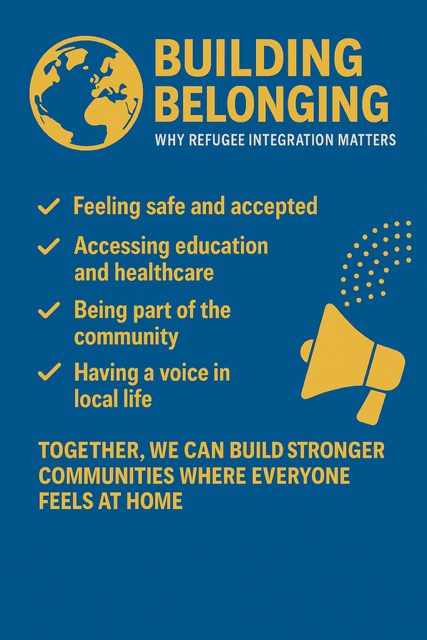
 Integration bedeutet nicht nur, einen Job zu finden oder Englisch zu lernen. Es geht um Folgendes:
 Sich sicher und akzeptiert fühlen
 Möchten Sie helfen? Engagieren Sie sich ehrenamtlich oder teilen Sie diese Nachricht einfach, um das Bewusstsein dafür zu schärfen.
 L’autonomisation, pas la charité
 Les soins complets fonctionnent
 Préserver la dignité par l’innovation
 Les femmes à table

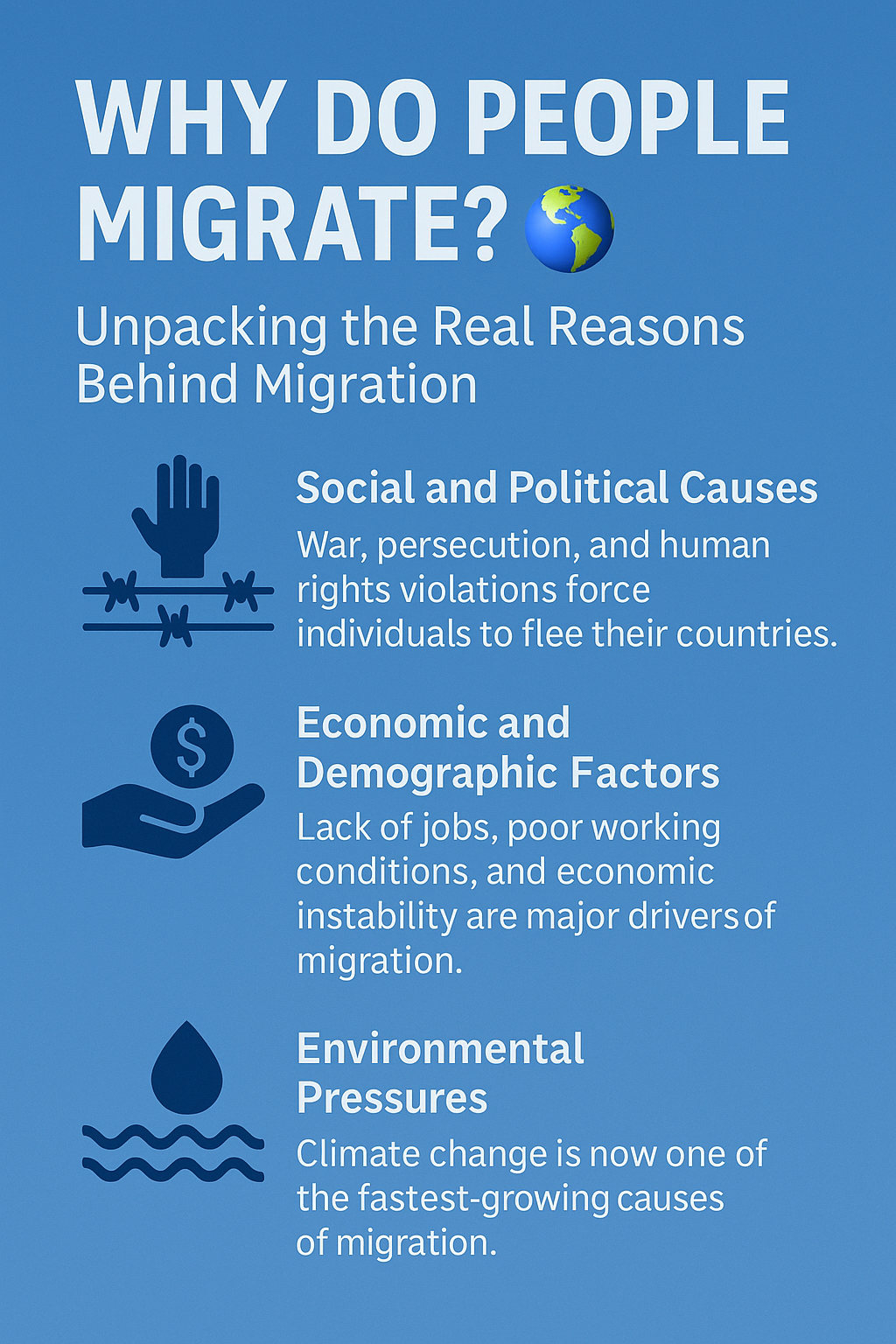
 Causes sociales et politiques
 Chez PROSDOMA, nous savons que Pour beaucoup, la migration n’est pas un choix, c’est une nécessité.. C’est pourquoi nous travaillons chaque jour pour soutenir les nouveaux arrivants en Alberta en leur fournissant une aide juridique, une assistance à la recherche d’emploi, une formation informatique et bien plus encore.
 Construisons une communauté où personne n’est laissé pour compte, qu’il s’agisse de personnes issues de zones de conflit, de régions touchées par le changement climatique ou de personnes confrontées à des difficultés économiques.
 Rejoignez PROSDOMA pour soutenir les migrants, sensibiliser le public et créer un changement durable.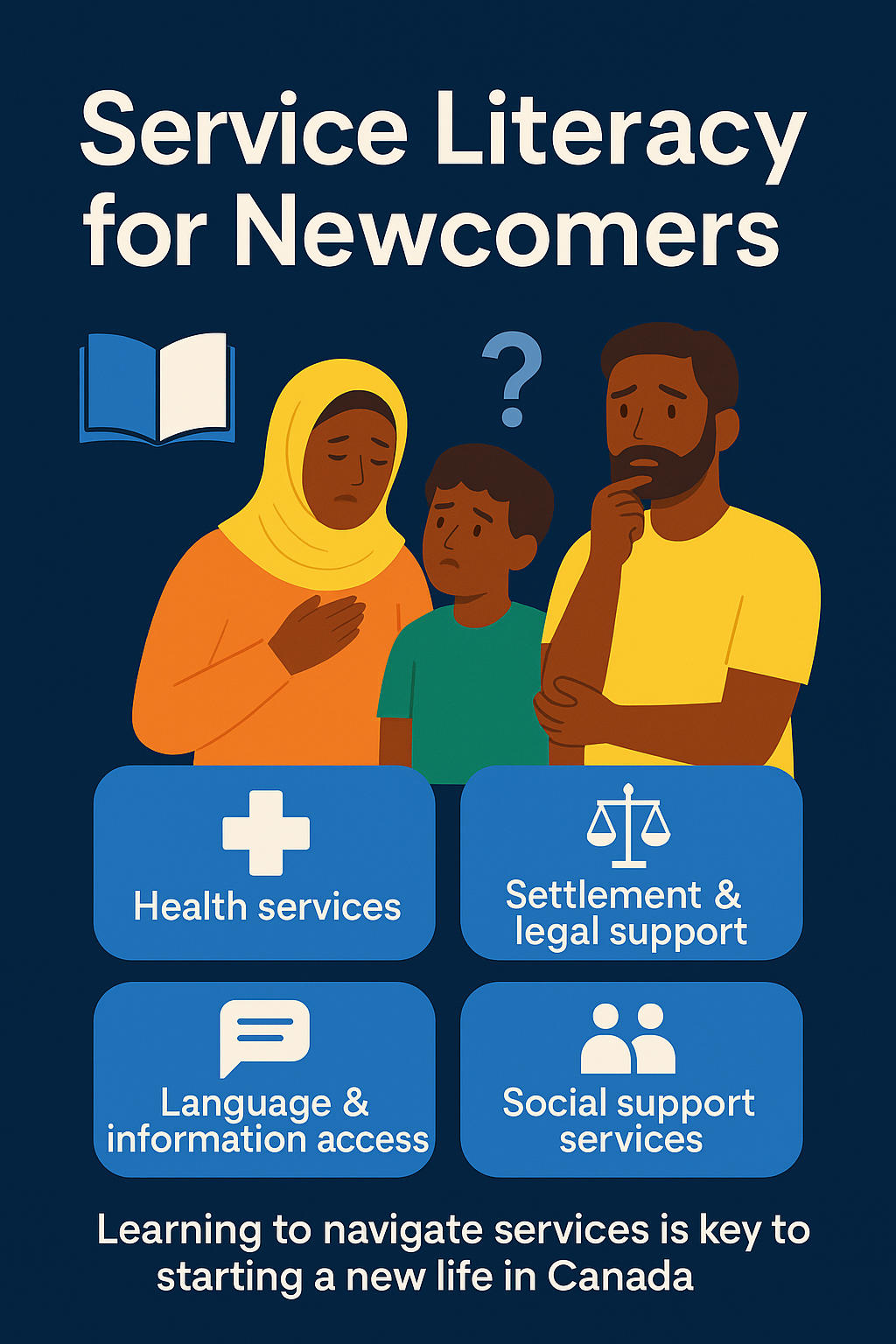

 Qu’est-ce que l’ISSL ?
 Une étude internationale récente a révélé que les barrières linguistiques constituent le principal obstacle à l’accès aux services pour les nouveaux arrivants. Cela nuit à leur bien-être et ralentit leur intégration.
 L’étude a regroupé les services en :
 Chez PROSDOMA, nous croyons que l’augmentation du SIL est essentielle à la construction d’un avenir prospère au Canada. C’est pourquoi nous :
 Fournir une formation informatique de base
 Mettre les nouveaux arrivants en contact avec des logements, des banques alimentaires et des services de soutien à l’emploi
 Aide juridique et documents d’immigration
 Si vous venez d’arriver en Alberta ou si vous soutenez une personne qui y vient, laissez PROSDOMA vous guider pour naviguer en toute confiance dans la vie au Canada.
 Source: