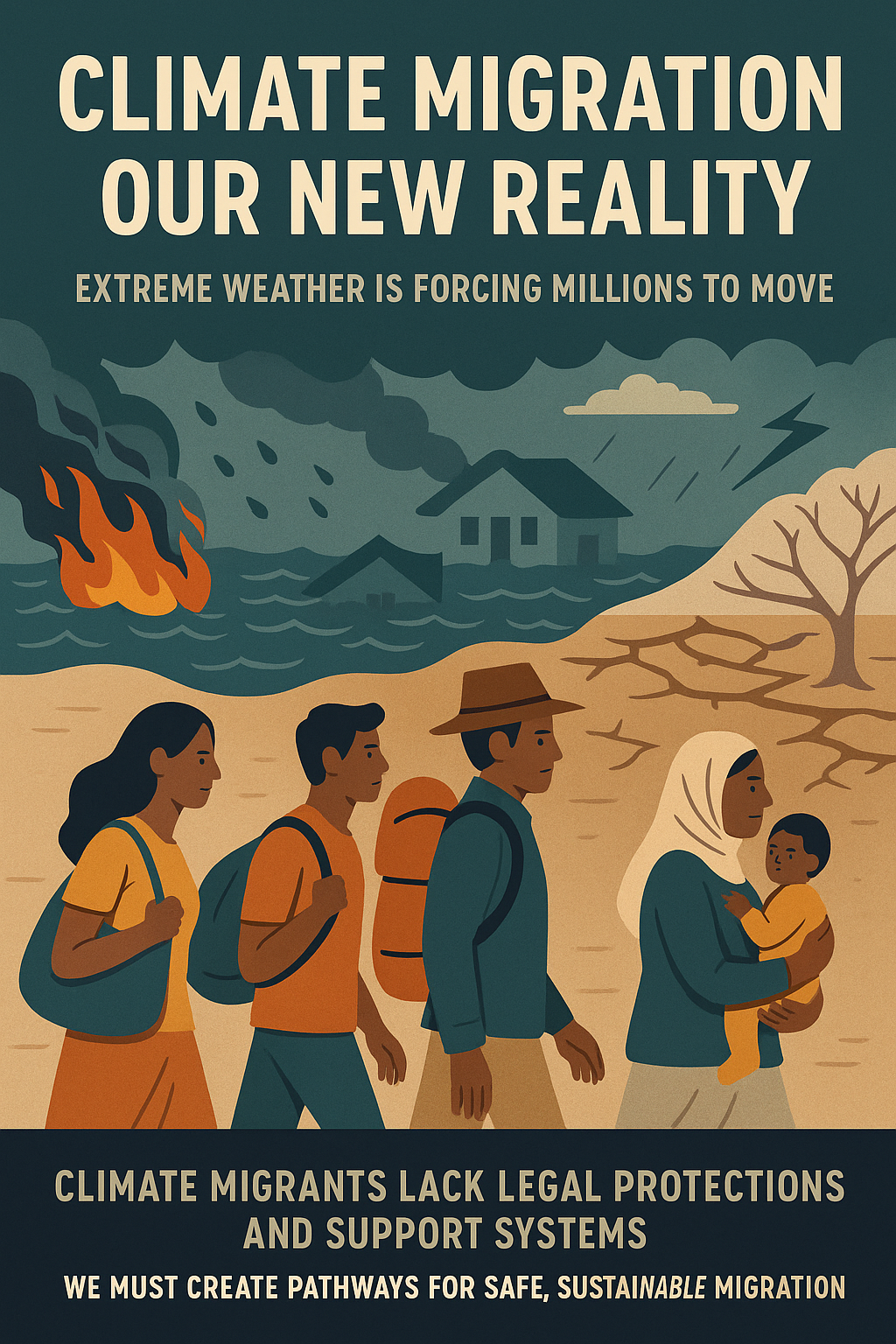
Extreme weather isn’t just a forecast — it’s forcing people to leave their homes 
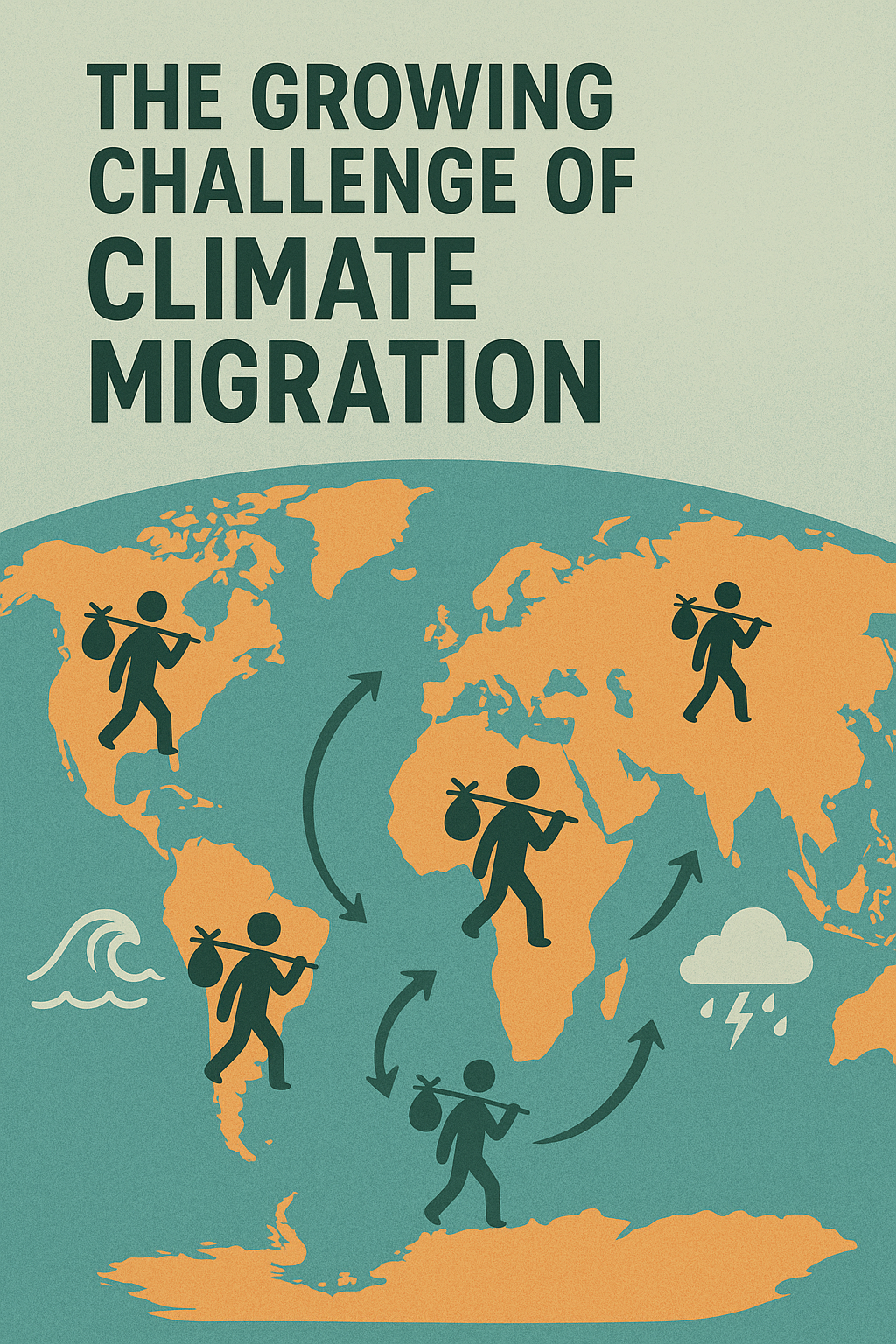
From the devastating wildfires in Maui to the prolonged drought in the Horn of Africa, climate disasters are uprooting millions. In 2022 alone, 3.2 million adults in the U.S. were displaced due to disasters. And worldwide, the numbers are even more staggering.
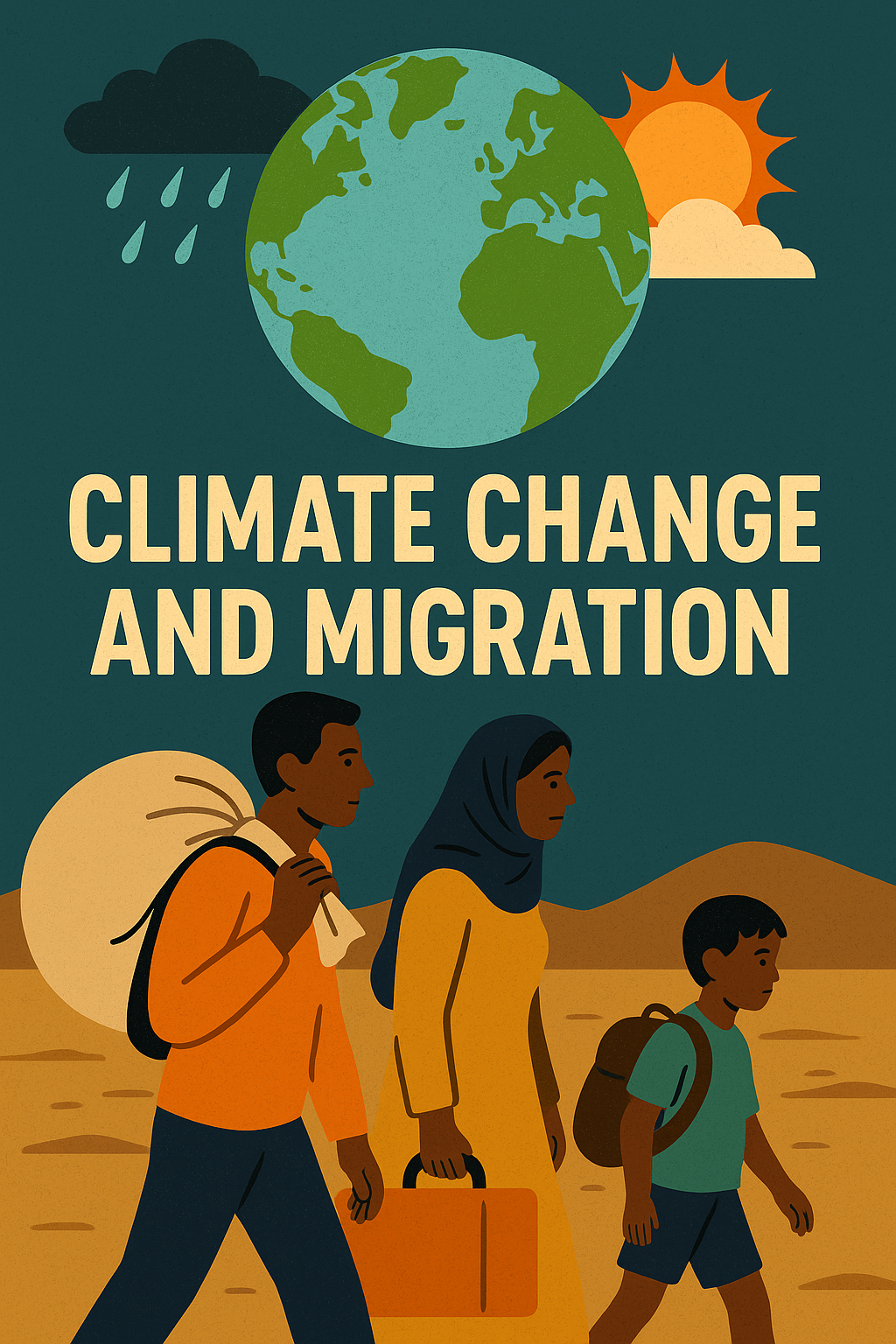
 Climate change interacts with existing vulnerabilities — poverty, conflict, and food insecurity — creating a powerful push to migrate. Whether it’s flooding in Pakistan, back-to-back hurricanes in Central America, or unbearable heat in Phoenix, people are moving in search of safety.
Yet climate migrants are often left without legal protections. There’s still no formal recognition of their status, no clear migration pathways, and very limited support systems.
But there is hope. Initiatives like the Climate Displaced Persons Act propose new frameworks — including legal pathways for migration and investments in global resilience 
At PROSDOMA, we believe migration should never be a life-threatening decision. That’s why we support displaced individuals — from newcomers in Alberta to climate-affected communities in Africa — by offering tools to build safer, more sustainable lives. 
Let’s raise awareness and advocate for just and compassionate solutions. Join us in supporting sustainable migration pathways and climate resilience.
 Get involved with PROSDOMA. Together, we can create a future where no one is left behind.
#ClimateMigration #SustainableFuture #ClimateJustice #MigrationMatters #DisasterDisplacement #RefugeeRights #PROSDOMA #GlobalResilience #EnvironmentAndJustice #SupportNewcomers
AC
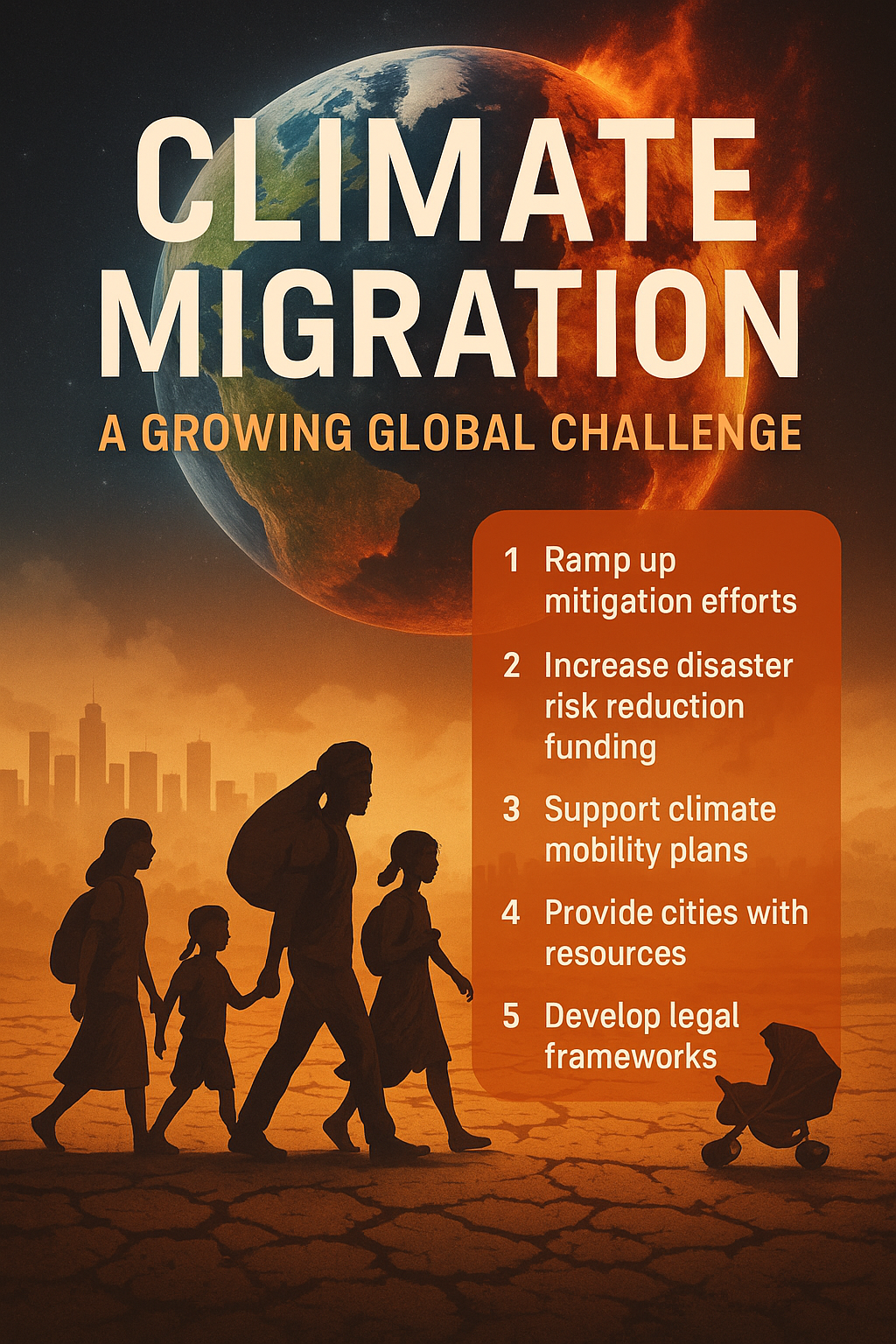


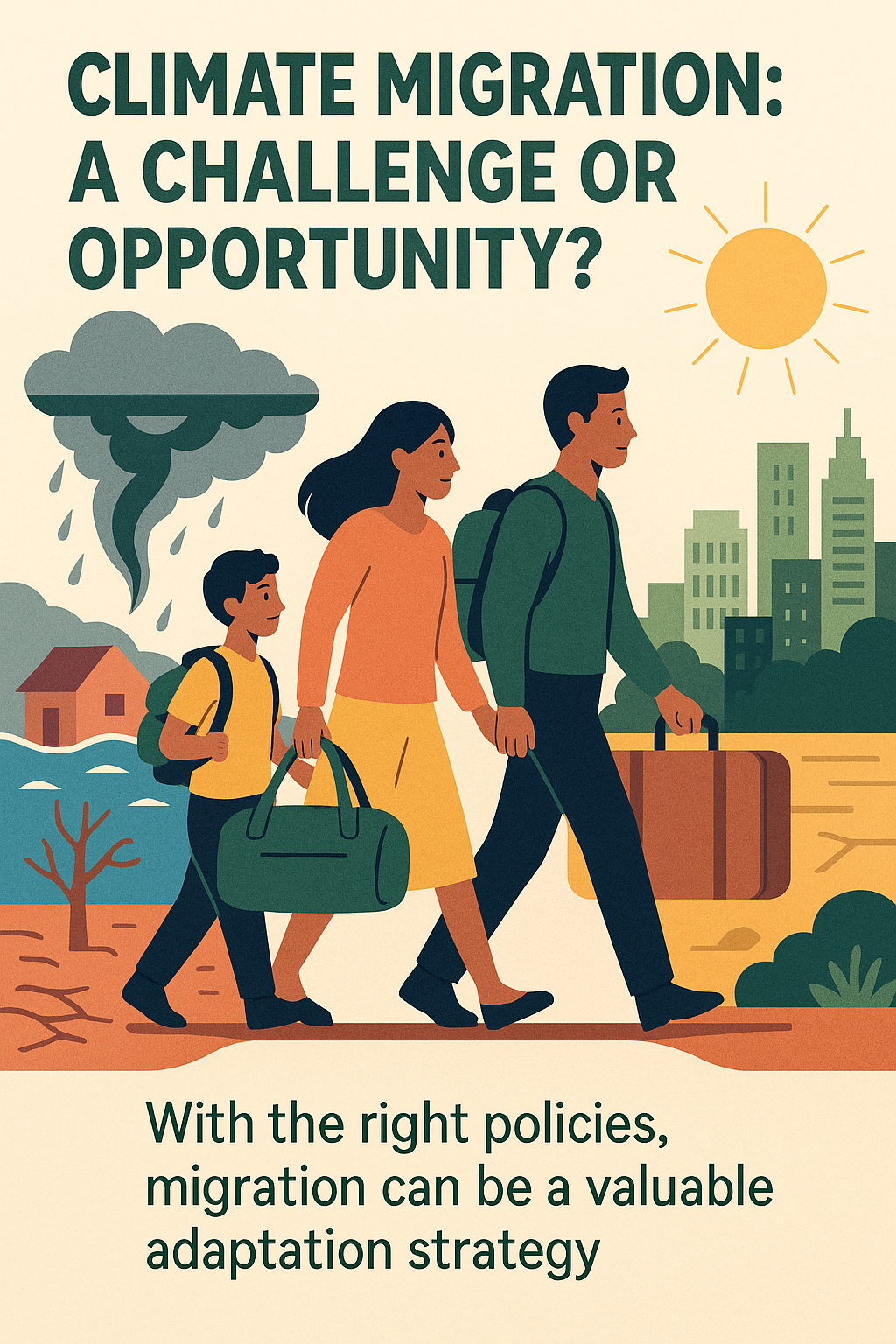
 A Plan for the Future: The key to turning climate migration into a positive adaptation strategy lies in preparation. When migration is planned, supported, and legal, it offers a chance for people to rebuild their lives. From securing jobs to sending money back home, migration can help individuals and families become more resilient.
 Prosdoma’s Role: At Prosdoma, we’re working to support newcomers in Alberta by connecting them with resources, job search assistance, legal aid, and more. As we focus on sustainable development, we recognize the importance of migration in adapting to climate change. Together, we can create a future where both newcomers and local communities thrive.
 Join the Conversation: What do you think? How can we better prepare for climate migration? Share your thoughts and let’s work towards a sustainable future for all.
 With smart planning, climate migration can create new economic opportunities, improving livelihoods for people who may otherwise be forced to live in increasingly unstable environments.

 They emphasized the role consumers can play in reducing their carbon footprints, through actions like flying less, eating less meat, and opting for electric cars when possible.
 Can you take fewer flights? Opt for more sustainable alternatives like trains or buses when possible?