
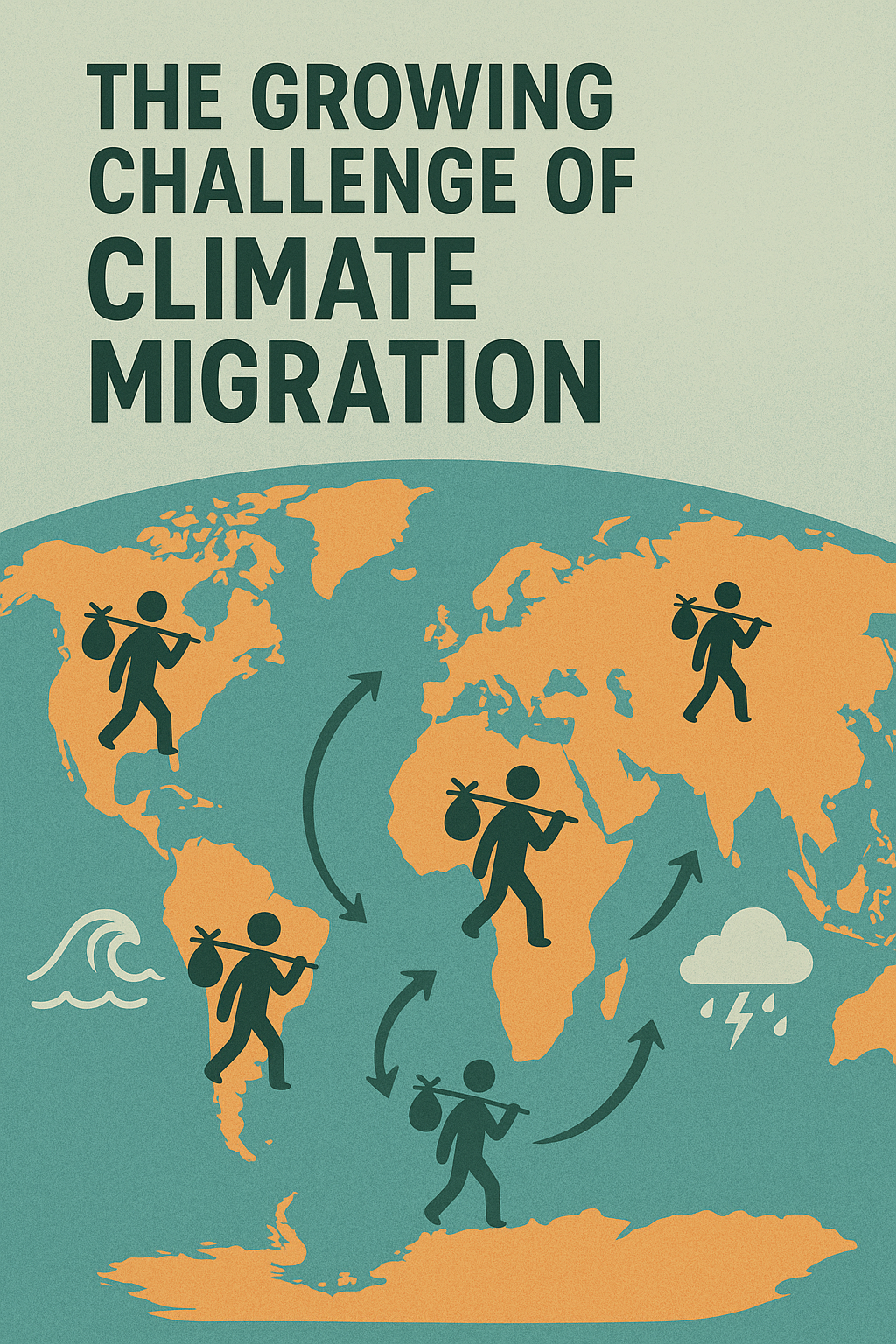
Climate change isn’t just an environmental issue – it’s also a driving force behind one of the largest human migrations in history. As our planet warms, more communities are being forced to relocate due to the environmental impacts of climate change. From rising sea levels to extreme weather events, these shifts are transforming human geography across the globe.
In a recent study by RAND, policies from six countries – Bangladesh, Kiribati, Kenya, Norway, the United States, and Vanuatu – were analyzed to understand how nations are preparing for and responding to climate migration. With different levels of impact and urgency, these countries have developed unique strategies to address the growing crisis of climate-induced displacement.
Some countries focus on helping migrants through social protection programs, while others prioritize building resilience in communities that will become new population centers. The research suggests that climate migration should not be treated as a separate issue but as an integrated part of broader public policy, touching on everything from social services to security.
As the effects of climate change intensify, it’s crucial to find solutions that support both climate migrants and host communities.

At PROSDOMA, we believe in creating sustainable futures for both newcomers and local communities. Let’s work together for a resilient, inclusive, and climate-conscious future.


#ClimateMigration #ClimateChange #Sustainability #GlobalPolicy #ClimateAction #SocialProtection #EnvironmentalResponsibility #Resilience #ClimateCrisis #SustainableDevelopment
Source: https://www.rand.org/pubs/perspectives/PEA1085-1.html
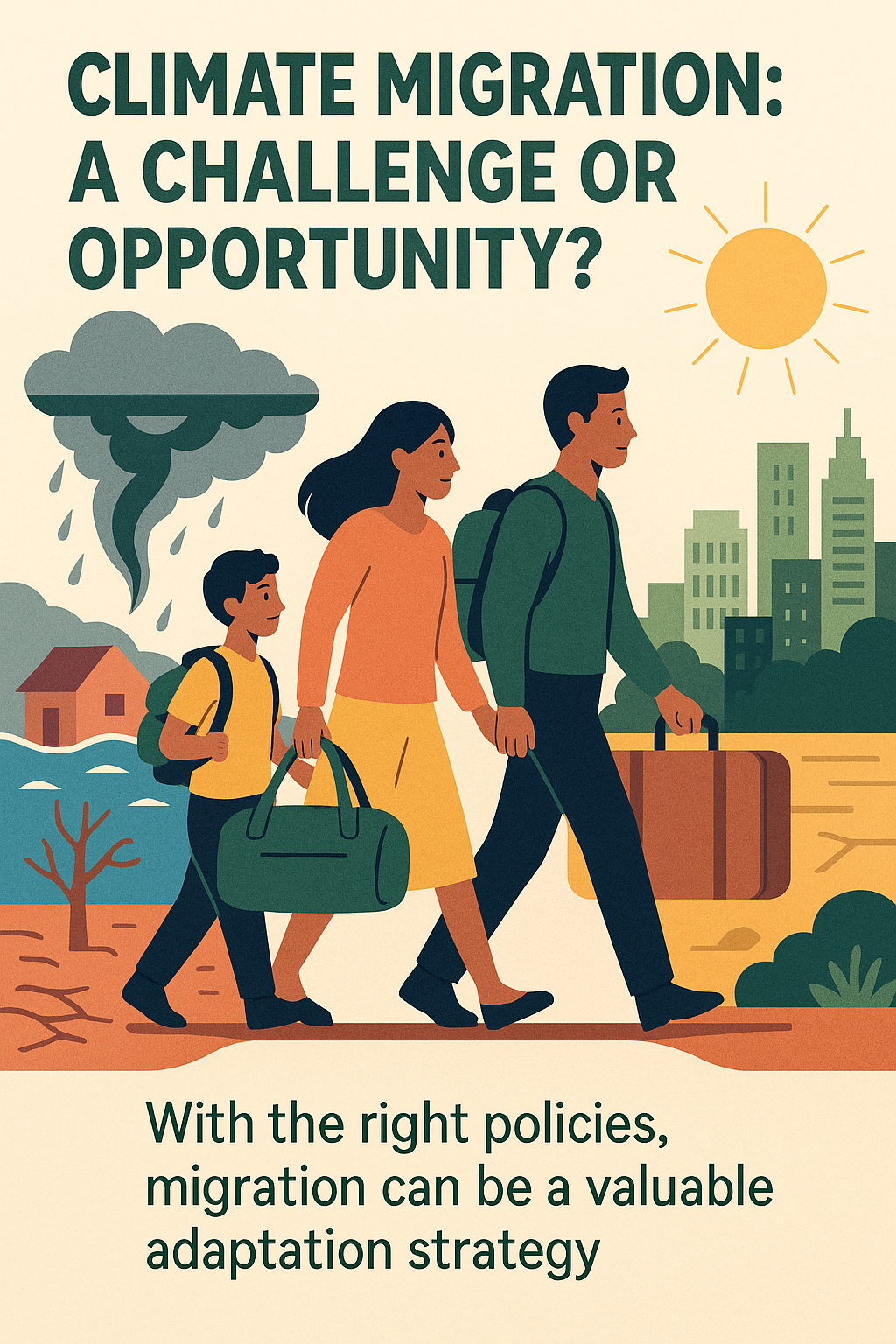
 A Plan for the Future: The key to turning climate migration into a positive adaptation strategy lies in preparation. When migration is planned, supported, and legal, it offers a chance for people to rebuild their lives. From securing jobs to sending money back home, migration can help individuals and families become more resilient.
 Prosdoma’s Role: At Prosdoma, we’re working to support newcomers in Alberta by connecting them with resources, job search assistance, legal aid, and more. As we focus on sustainable development, we recognize the importance of migration in adapting to climate change. Together, we can create a future where both newcomers and local communities thrive.
 Join the Conversation: What do you think? How can we better prepare for climate migration? Share your thoughts and let’s work towards a sustainable future for all.
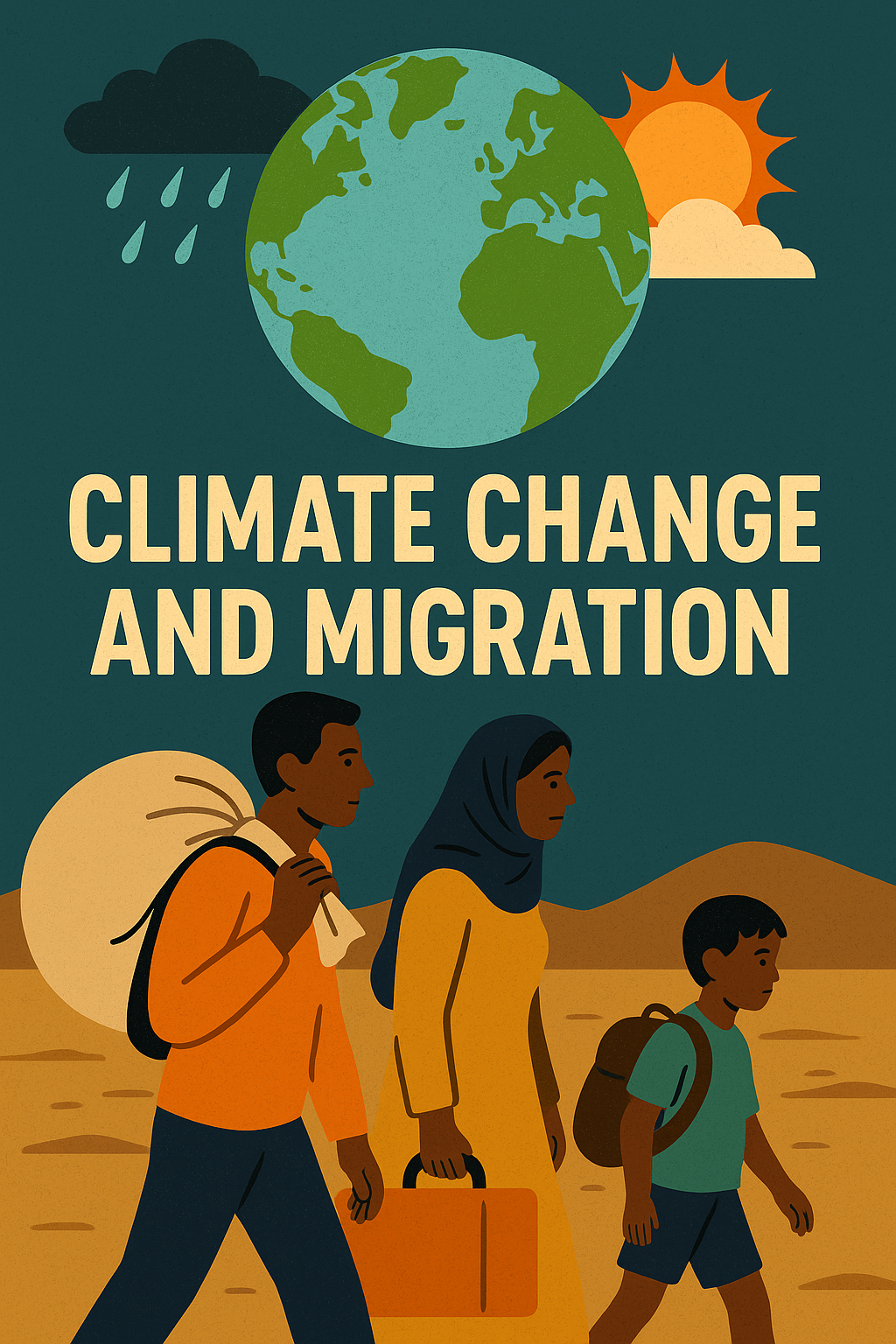
 With smart planning, climate migration can create new economic opportunities, improving livelihoods for people who may otherwise be forced to live in increasingly unstable environments.

 They emphasized the role consumers can play in reducing their carbon footprints, through actions like flying less, eating less meat, and opting for electric cars when possible.
 Can you take fewer flights? Opt for more sustainable alternatives like trains or buses when possible?


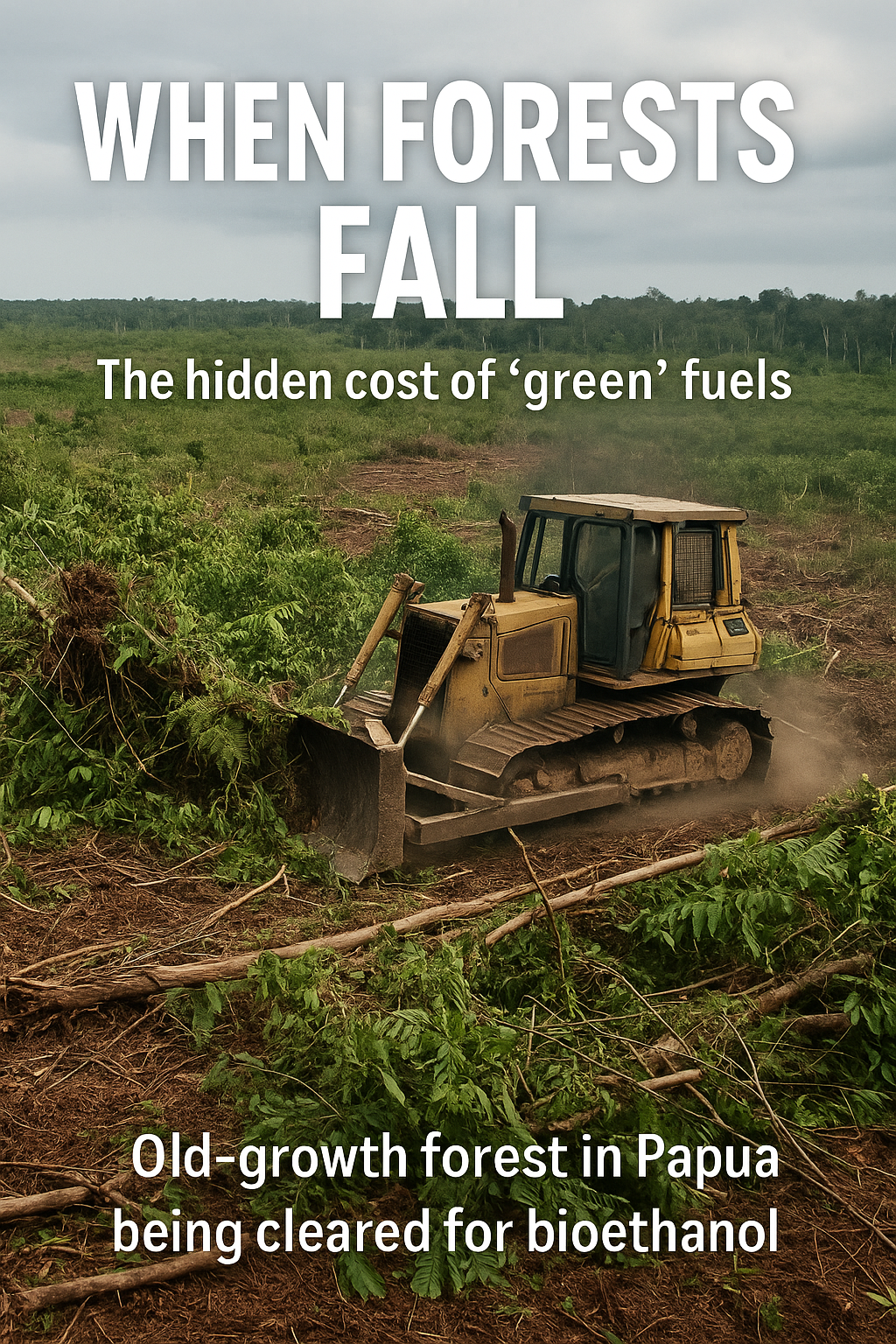
 Les forêts tribales séculaires sont en train d’être abattues. Les familles indigènes papoues comme les Kwipalo perdent l’accès à des terres ancestrales où elles chassent, pêchent et récoltent de la nourriture. Leur culture et leur survie sont à risque.
 Ces forêts abritent également des espèces en voie de disparition que l’on ne trouve nulle part ailleurs sur la terre – orangs-outans, éléphants de forêt, oiseaux rares et plantes – dont les habitats sont effacés pour les plantations de monoculture.
 Les experts avertissent que cette « énergie verte » a un prix élevé du carbone. Le nettoyage de ces forêts pourrait libérer plus de 300 millions de tonnes de CO₂, accélérant la crise climatique que les biocarburants visent à corriger.
 Le reboisement ne peut pas entièrement restaurer ce qui est perdu. Les forêts anciennes régulent l’eau, stockent le carbone et soutiennent la biodiversité d’une manière qu’aucune plantation ne peut jamais.
 Repensons à ce que signifie vraiment la durabilité. Partagez cette histoire. Parlez. Soutenir la justice climatique.